

Cart
0
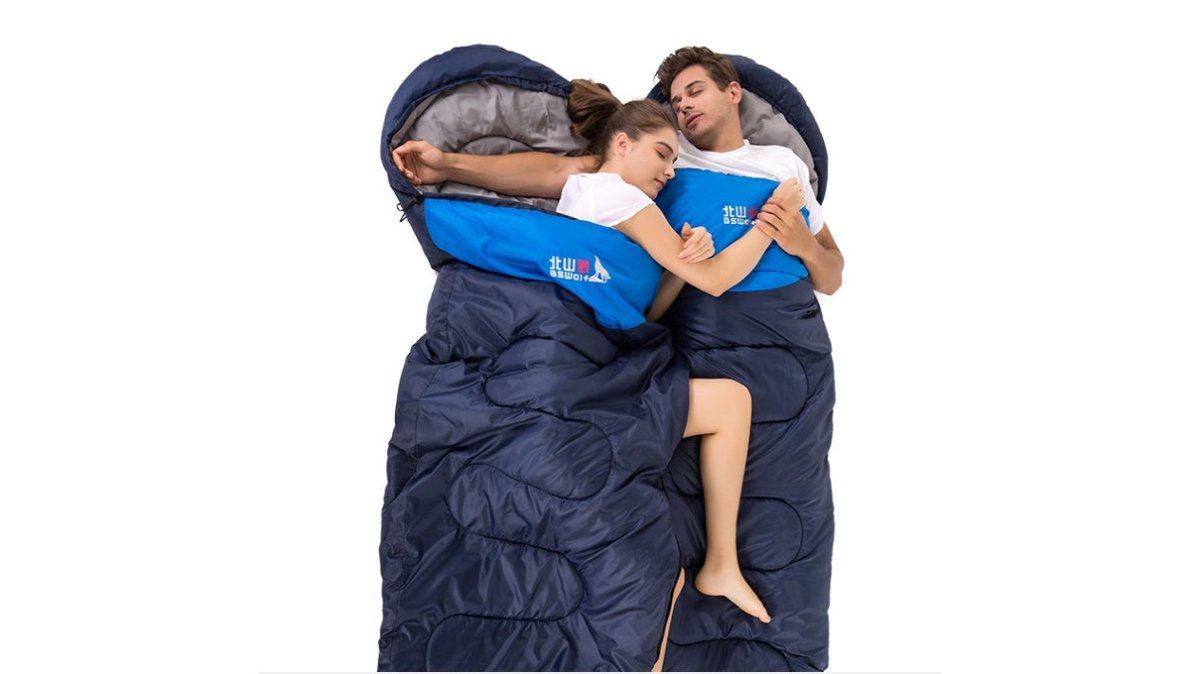
Table of Contents
- Why Use a Sleeping Bag Liner: Core Benefits
- Sleeping Bag Liner Warmth: How Much Temperature Gain Can You Expect
- Sleeping Bag Liner Materials: Comparing Fabric Types
- How to Use a Sleeping Bag Liner: Proper Setup and Fit
- Sleeping Bag Liner Care and Washing: Maintenance Tips
- Liners in Hostels and Shared Accommodation
- Is a Sleeping Bag Liner Worth It: Weight, Cost, and Real-World Trade-Offs
- Frequently Asked Questions
Last Updated: October 21, 2026
Why Use a Sleeping Bag Liner: Core Benefits
A sleeping bag liner is a thin, removable fabric layer that sits inside your sleeping bag to provide protection, warmth, and comfort.

The core reason to use a sleeping bag liner is simple: your body produces sweat, oils, and dirt every night, and without protection all of that ends up inside your sleeping bag, breaking down the insulation.
Protection from sweat, dirt, and body oils
Your skin sheds oils and moisture constantly. Without a liner, that buildup settles into the fabric and filling, and within a few seasons your bag loses loft and warmth.
A liner traps sweat and oils on its surface, keeping them away from your bag's insulation so it stays cleaner and warmer for years longer.
Extending your sleeping bag's lifespan
With a liner, most sleeping bags need washing only every few years instead of every season or two. Frequent washing breaks down fabric, weakens seams, and damages insulation, so fewer washes means your bag lasts significantly longer.
Sleeping Bag Liner Warmth: How Much Temperature Gain Can You Expect
A liner can add warmth, but the amount is not a fixed number you can read off a product tag. It depends on the fabric, fit, moisture, what you wear to bed, and what is underneath you. Treat any single temperature claim as a rough starting point, not a guarantee.
Why a single temperature number is misleading
A liner does not generate heat. It traps the warmth your body already produces and reduces how much escapes, so the gain you feel depends on how much heat is available to trap and how much is lost elsewhere.
Four variables matter most:
- Fit and loft. A liner that sits close to your body traps a thin layer of warm air efficiently. A loose liner that bunches creates gaps and cold spots.
- Moisture. A dry liner insulates better than a damp one. If the liner absorbs moisture, its effective warmth falls.
- The sleeping pad underneath you. A liner cannot compensate for a pad with a low R-value. Most heat loss in cold conditions goes into the ground.
Realistic warmth gains by material and conditions
With those variables in mind, here is a realistic range most practitioners report for a liner used inside a properly rated sleeping bag:
| Liner material | Typical warmth gain | Conditions where the gain is most noticeable | Conditions where the gain is minimal |
|---|---|---|---|
| Silk | About 5-10°F | Mild nights, dry conditions, bag already close to its comfort rating | Cold nights, damp conditions, bag already at its limit |
| Cotton | About 8-12°F | Dry, mild-to-cool nights | Humid conditions, because cotton holds moisture |
| Fleece | About 10-15°F | Cool nights, dry conditions, sleepers who run cold | Warm nights, humid conditions, weight-limited trips |
| Synthetic (polyester/nylon) | About 8-12°F | Mixed conditions, quick-drying needs | Very cold nights where maximum loft matters |
The conditions where a liner helps most, and least
A liner delivers the most noticeable warmth gain in mild-to-cool, dry conditions where your bag is already close to its comfort limit.
A liner delivers the least benefit in three situations:
- Genuinely cold conditions. Below freezing, a liner helps but will not substitute for a warmer bag, a higher-R-value pad, or a proper base layer.
- Wet or humid conditions. A damp liner can feel colder than no liner at all, especially cotton.
- An oversized bag. If your bag is already too big, a liner will not fix the dead air space around you.
Key Takeaway
Use a liner as a supplement, not a substitute. Pick your sleeping bag and pad for the coldest conditions you expect, then add a liner for comfort, cleanliness, and a modest warmth buffer. If you need a meaningful temperature jump, a warmer bag or a higher-R-value pad is the more reliable upgrade.
Liner versus sleeping bag insulation trade-offs
Adding a liner is not the same as upgrading your sleeping bag. It adds modest warmth but takes up very little space:
- A thin silk liner adds the least warmth but is nearly invisible in your pack and against your skin.
- A fleece liner adds the most warmth of the common options but is the bulkiest and heaviest.
- A synthetic liner sits in the middle and dries fastest, which matters on multi-day trips.
For a meaningful temperature increase, compare a warmer liner's weight and cost against a warmer bag. For many backpackers, a liner is the lighter, cheaper way to gain a few degrees of comfort, but only a few.
Sleeping Bag Liner Materials: Comparing Fabric Types
The material determines how your liner feels, how much warmth it adds, and how long it lasts. Each option has real trade-offs.
Silk liners: lightweight and packable
Silk is the gold standard for ultralight backpacking.
Silk liners add modest warmth but excel at breathability, feel soft against the skin, and dry quickly.
The downside is cost ($40 to $80) and delicacy, rough handling or sharp objects can tear them.
Best for: Lightweight backpackers, warm-weather camping, anyone who values packability over warmth.
Cotton and synthetic options: durability and comfort
Cotton liners feel soft and natural, are durable, handle washing well, and breathe nicely, ideal for warm-weather use.
The trade-off is weight: cotton and synthetic liners are heavier than silk and take longer to dry if damp.
Best for: General camping, durability priority, budget-conscious buyers, warm-weather trips.
Fleece liners: softness and breathability
Fleece liners feel incredibly soft, add genuine warmth (10-15 degrees), and resist mildew.
The downside is bulk, fleece liners are thicker than silk or cotton and take up more pack space, and cost, typically $50 to $100.
Best for: Cold-weather camping, maximum comfort, sleepers who prioritize warmth over weight.
How to Use a Sleeping Bag Liner: Proper Setup and Fit
Using a liner correctly matters. Poor setup defeats the purpose.
Liner shapes and compatibility with sleeping bags
Liners come in two main shapes: mummy-shaped, which fit snugly inside mummy bags, and rectangular, which work with any bag shape but insulate less efficiently.
Most liners fit bags from 5.5 to 6.5 feet, but verify your bag's dimensions for a proper fit.
Inside versus outside placement and sleep comfort
Liners go inside your sleeping bag, between you and the bag's interior.
Inner Liner Can Be Spliced Into A Camping Sleeping Bag →
Some ultralight backpackers use liners outside their bags as standalone sleeping layers.
The liner should also sit flat against the bag's interior without bunching, since bunched fabric creates pressure points and reduces insulation effectiveness.
Sleeping Bag Liner Care and Washing: Maintenance Tips
A liner reduces how often you wash your sleeping bag, but liners themselves need care.
Washing frequency and drying time
Wash your liner every 5 to 10 camping trips, or once per season, to keep it fresh and prevent odor buildup.
Use cold water and mild detergent on a gentle cycle, and avoid bleach and fabric softeners, which damage fibers.
Drying time varies: silk takes 2 to 4 hours, cotton 4 to 8, and fleece 6 to 12.
Liner versus sleeping bag care: which requires more attention
Liners are easier to care for than sleeping bags: you can wash a liner every trip if needed, while washing your actual bag that frequently damages it.
A liner absorbs most of the sweat and dirt, so your bag stays cleaner longer and might need washing only every few years instead of annually.
When you do wash your sleeping bag, follow the manufacturer's instructions, most require cold water, mild detergent, and low heat drying.
Liners in Hostels and Shared Accommodation
In hostels and shared accommodation, you do not know who slept in the bed before you or how thoroughly the bedding was cleaned. A sleeping bag liner is a practical response, but be clear about what it does and does not do.
What a liner actually protects against
Used properly, a liner creates a clean personal layer between you and the bedding, protecting you from:
- Surface contact with shared bedding. Your skin and face rest on your own fabric rather than on sheets or blankets of unknown cleanliness.
- Body oils and sweat transferring to the accommodation's bedding, and, just as importantly, the reverse.
- Light surface grime on mattresses, pillows, or blankets that may not be washed between guests.
For many travelers, that barrier alone is worth the small weight and cost, giving you a consistent, familiar sleep surface in an unfamiliar place.
What a liner does not protect against
A liner is not a barrier against everything, and treating it as one can lead to bad decisions:
- Bedbugs and other insects. A liner does not stop bedbugs. They can harbor in seams, in your pack, and in the bedding around you. Inspect the bed and keep your pack off the floor and off the bed.
- Airborne or contact-transmitted illness. A liner does not filter air or prevent person-to-person transmission in a shared room.
- Contaminated mattresses or furniture. A liner covers the sleeping surface, not the frame, the floor, or shared bathrooms.
Watch Out
A liner is a hygiene convenience, not a medical-grade barrier. If you have a compromised immune system, a skin condition, or are traveling in an area with known bedbug activity, take additional precautions, inspect bedding, use a treated travel sheet where appropriate, and follow public health guidance for the region you are visiting.
Practical guidance for hostels and huts
A few habits make a liner genuinely useful in shared accommodation:
- Use it on top of the provided bedding, not instead of it, unless the accommodation explicitly allows sleep-sack-only use. Some hostels require a sleep sack or liner and do not provide sheets.
- Choose a quick-drying synthetic or silk liner for travel. You may not have reliable laundry access, and a liner that dries overnight is far more useful than one that stays damp.
- Wash the liner regularly, every few nights on a long trip, or whenever it feels damp or smells. A dirty liner defeats the purpose.
Is a liner worth it for shared accommodation?
For frequent hostel and hut travelers, a liner is one of the highest-value small items you can carry. It weighs little, packs small, and gives you a consistent clean layer wherever you sleep. For occasional travelers who mostly camp in their own tent, the hygiene benefit is smaller, and the decision comes down to warmth and sleeping-bag protection instead.
Public health guidance on bedbugs and shared accommodation
Is a Sleeping Bag Liner Worth It: Weight, Cost, and Real-World Trade-Offs
The decision to buy a liner depends on your situation and priorities.
Weight and packed size versus warmth gains
A silk liner weighs 3 to 5 ounces, cotton and synthetic liners 6 to 10 ounces, and fleece liners 10 to 14 ounces.
For ultralight backpackers, even 5 ounces matters. For car campers, weight is irrelevant.
Packed size is similarly minimal. Silk compresses to the size of an orange. Cotton and synthetics compress to a small stuff sack.
When a liner makes sense and when it doesn't
A liner makes sense if:
- You camp frequently and want to extend your sleeping bag's lifespan
- You stay in hostels or shared accommodations regularly
- You value cleanliness and hygiene highly
A liner doesn't make sense if:
- You camp rarely (a few times per year)
- You only use your own sleeping bag in your own tent
- Weight is your absolute priority and every ounce counts
For most backpackers and campers, a liner is cheap insurance for an expensive piece of gear. At Roam Ready Outdoor, we carry several sleeping bag options, including the Inner Liner Can Be Spliced Into A Camping Sleeping Bag at $72.59, which provides reliable protection and warmth gains for year-round use.
A sleeping bag liner is one of those small decisions that pays dividends over time: it protects your investment, adds warmth when you need it, and solves hygiene concerns in shared spaces.
Frequently Asked Questions
Do you really need a sleeping bag liner?
A sleeping bag liner isn't essential, but it extends your sleeping bag's life significantly by blocking sweat, dirt, and body oils from soiling the insulation. For backpackers on a budget or those using their bag only occasionally, a liner may be optional. For frequent campers, hostelers, or anyone planning extended trips, a liner pays for itself by protecting a $200+ sleeping bag investment. The decision depends on how often you camp and how much wear your gear experiences.
How much warmer does a sleeping bag liner make you?
A sleeping bag liner typically adds 5-15°F of warmth, depending on material and conditions. Silk liners provide modest gains (5-10°F), while fleece or thicker synthetic liners can add up to 15°F. Warmth gains are most noticeable in cool-to-cold conditions; in warm weather, liners add minimal temperature benefit. Layering a liner with a quality sleeping bag creates a more efficient insulating system than relying on either alone, especially when backpacking in variable seasons.
What is the best lining material for a sleeping bag liner?
The best material depends on your priorities. Silk liners are lightweight and packable, ideal for backpackers prioritizing weight. Cotton offers softness and breathability for comfort-focused campers. Synthetic materials like polyester provide durability and moisture resistance for frequent use. Fleece delivers warmth and softness but adds more weight. Consider your sleeping system's temperature rating, trip duration, and how much weight you're willing to carry when choosing a sleeping bag liner material.
How do you wash a sleeping bag liner?
Most liners can be machine-washed in cold water on a gentle cycle or hand-washed. Check your liner's care tag for specific instructions. Air-dry completely before storing to prevent mildew. Liners dry much faster than sleeping bags, often in 2-4 hours, making them easier to maintain. Regular washing keeps your liner clean and extends its life. Unlike sleeping bags, which require occasional professional cleaning, liners tolerate frequent washing and are designed to absorb body oils and sweat, protecting your main sleeping bag from dirt and moisture damage.

