

Cart
0
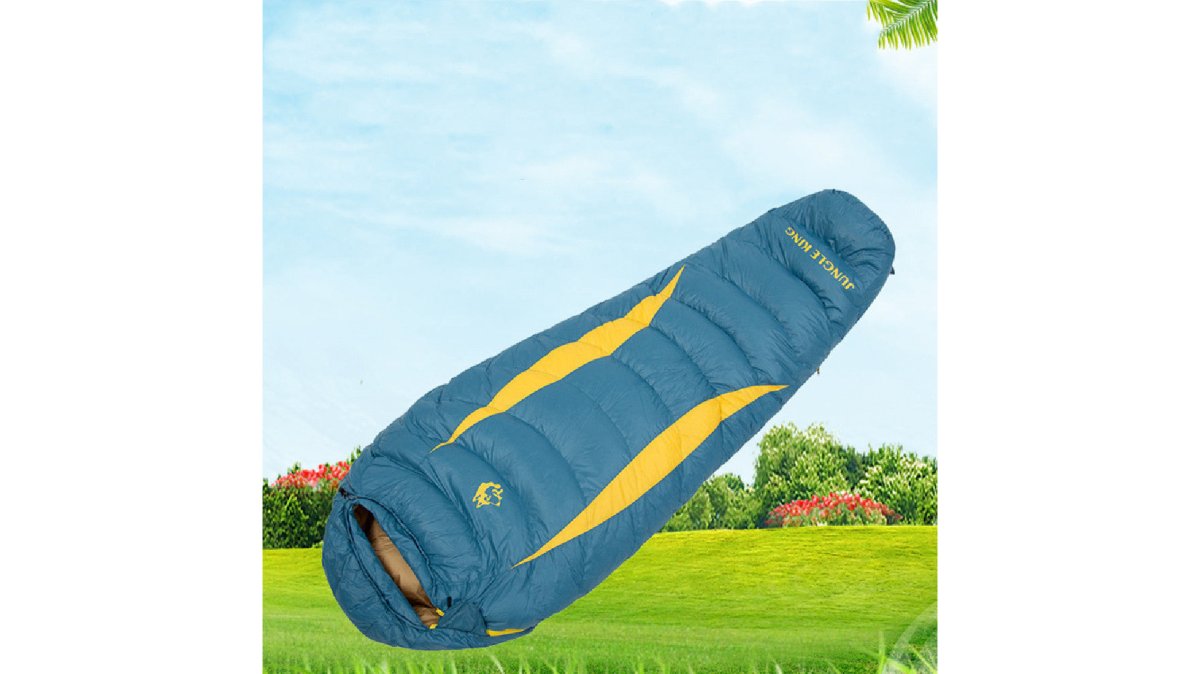
Table of Contents
- Down vs Synthetic Sleeping Bags: Core Differences
- Down Sleeping Bag Pros and Cons
- Synthetic Sleeping Bag Pros and Cons
- How to Choose a Sleeping Bag Temperature Rating
- Warmth-to-Weight and Packability Comparison
- Moisture, Durability, and How to Wash a Down Sleeping Bag
- Which Type Is Right for Your Trip
- Frequently Asked Questions
Last Updated: October 12, 2026
Down vs Synthetic Sleeping Bags: Core Differences
Choosing between down vs synthetic sleeping bags explained means choosing between two approaches to staying warm. Down traps heat with duck or goose feathers; synthetic uses engineered fibers that mimic that job. The difference affects pack weight, damp performance, lifespan, and cost.
It isn't about which is objectively "better", but which matches your trip conditions and priorities.
Down's advantage is warmth-to-weight ratio: serious warmth with minimal bulk. Synthetic delivers reliable warmth where down fails, specifically when moisture is present, retaining insulation when damp while down loses most of its effectiveness when wet.
Down costs more initially but lasts longer with proper care. Synthetic costs less and forgives neglect, you can machine wash it without destroying the fill. The right choice depends on where you're camping, your maintenance willingness, and whether you prioritize packability or wet-weather reliability.
Pro Tip
If you're new to backpacking, start with synthetic. It's more forgiving, easier to care for, and won't punish you if you accidentally compress it in your pack for months between trips.
Down Sleeping Bag Pros and Cons
Down-filled sleeping bags excel at maximum warmth with minimum weight. A high-quality down bag compresses to the size of a loaf of bread while keeping you warm in freezing temperatures, which is why mountaineers and ultralight backpackers choose down.
Insulating power comes from fill power, how much volume one ounce of down occupies. Higher fill power (typically 650 to 900) means better insulation and lighter weight. The Thickened Down-filled Sleeping Bag from Roam Ready Outdoor uses 900g of FP650 duck down in a mummy-style construction that minimizes heat loss around your head and shoulders.

Down's durability is exceptional when kept dry. The loft recovers fully after compression.
Down's weakness is moisture. Rain, snow melt, breath condensation, or sweat degrade its insulation; wet down clumps into cold spots and takes days to dry in the field. In humid climates, wet-weather trips, or for heavy sweaters, down becomes a liability.
Washing a down sleeping bag requires care. Air drying takes patience, and rushing it with heat can permanently damage the down.
Down bags also cost more upfront, a premium reflecting performance and longevity.
| Aspect | Down Sleeping Bags |
|---|---|
| Warmth-to-Weight | Excellent, lightest option for given warmth |
| Packability | Best, compresses to smallest size |
| Moisture Resistance | Poor, loses insulation when damp |
| Durability | Excellent, 20+ year lifespan if maintained |
| Maintenance | High, requires careful washing and drying |
| Cost | Higher, premium pricing reflects performance |
| Best For | Dry climates, ultralight trips, long-term investment |
Synthetic Sleeping Bag Pros and Cons
Synthetic sleeping bags are the pragmatist's choice. They won't win awards for packability or weight, but they maintain loft even when damp, so your bag still works after a wet night or humid trip.
Synthetic fibers trap air like down but are themselves water-resistant. Modern synthetics like polyester hollow-fiber fill (used in many Roam Ready Outdoor bags) perform well for the price. The Inner Liner Can Be Spliced Into A Camping Sleeping Bag uses 190T polyester with hollow cotton fill for durability and water resistance at an accessible price.

Synthetic bags excel in real-world conditions: stuff them wet into your pack, machine wash on warm, or leave them compressed for months without permanent loft damage. That forgiving nature suits casual campers, families, and anyone who doesn't want to treat gear like museum artifacts.
The weight and bulk trade-off is the cost of that reliability. A synthetic bag rated for the same temperature as a down bag weighs more and packs larger, which matters on a 10-mile hike with a 40-pound pack but is irrelevant for car camping.
Synthetic insulation also dries much faster than down. That speed is valuable when weather turns suddenly or you're moving camp frequently.
Synthetic bags cost less initially, accessible to people testing whether backpacking is their thing. The Waterproof Cotton Sleeping Bag from Roam Ready Outdoor starts at $59.43, offering solid warmth without the premium price tag.
Synthetic insulation doesn't last as long as down. The fibers compress more permanently, so repeated compression reduces performance.
| Aspect | Synthetic Sleeping Bags |
|---|---|
| Warmth-to-Weight | Good, heavier than down for same warmth |
| Packability | Moderate, larger packed size than down |
| Moisture Resistance | Excellent, maintains warmth when damp |
| Durability | Moderate, 5-10 year typical lifespan |
| Maintenance | Easy, machine washable, fast drying |
| Cost | Lower, accessible pricing |
| Best For | Wet climates, casual camping, budget-conscious |
How to Choose a Sleeping Bag Temperature Rating
Temperature ratings are where many campers get confused. The rating on a bag (20°F, 32°F, 0°F) represents the lowest temperature at which an average sleeper stays warm, and that word "average" is doing a lot of work.
Ratings are standardized but still estimates. The EN 13537 standard assumes you're wearing long underwear, sleeping on an insulated pad, and lying still. If you sleep cold, wear minimal layers, or use a thin pad, the bag will feel colder than its rating suggests.
The practical approach: choose a bag rated 10-15 degrees colder than the lowest temperature you expect to encounter. If you're camping in 40°F nights, get a bag rated to 25-30°F. This margin gives you safety and comfort without overpaying for unnecessary warmth.
Down bags maintain their rating better because the loft doesn't degrade.
Sleep style matters too. Side sleepers lose more heat than back sleepers because they compress insulation beneath them, and heavier people generate more warmth naturally. Cold sleepers need bags rated warmer than their trip temperature; warm sleepers can get away with ratings closer to actual conditions.
Thickened Down-filled Sleeping Bag →
Key Takeaway
Choose a temperature rating 10-15 degrees colder than your expected low. A 40°F trip needs a 25-30°F bag. Ignore the marketing language and focus on your actual sleep style and how cold you actually get.
Warmth-to-Weight and Packability Comparison
This is where down vs synthetic sleeping bags explained reveals the clearest performance gap. Down delivers more warmth per ounce: a typical 20°F down bag weighs 2-3 pounds, while a synthetic bag with the same rating weighs 3-4 pounds. Over a multi-day trip, that pound or more adds up.
Packability follows the same pattern. A 20°F down bag can compress to the size of a 2-liter soda bottle, while the same-rated synthetic bag might compress to a small backpack-sized stuff sack. If pack space is limited, down wins decisively.
But the weight advantage only matters if you care about it. A car camper won't notice the difference; a thru-hiker covering 20 miles a day will feel every ounce, which is why ultralight backpackers obsess over this metric.
The trade-off becomes clear with moisture. A down bag might be lighter and more packable, but in a humid climate or wet season that advantage evaporates when the bag gets damp, leaving a lightweight lump that doesn't keep you warm. A synthetic bag weighs more but actually functions.
Real-world trips reveal this tension: a backpacker chooses down for weight savings, hits unexpected rain, and spends a miserable night in a bag that's lost most of its insulation. The lesson: optimize for actual trip conditions, not the spec sheet.
Moisture, Durability, and How to Wash a Down Sleeping Bag
Moisture is the critical factor separating these two insulation types. That difference determines whether you're warm or miserable on a wet night.
Moisture comes from multiple sources. External moisture, rain or river crossings, is obvious. Internal moisture is more insidious: your breath condenses inside the bag on cold nights, and your body releases sweat even when you're still. In humid climates, that accumulates over multiple nights without proper drying.
Down's vulnerability to moisture is why proper care matters.
Drying requires patience. Tumble dry on the lowest heat setting or hang the bag in a warm, dry space with good air circulation and don't compress it while drying. High heat can permanently damage the down.
Synthetic bags are dramatically easier to maintain: most go in a standard washing machine on warm water with regular detergent, then tumble dry on low or air dry. The process takes a couple of hours and is hard to mess up.
Durability reflects these maintenance realities. Down bags last when cared for, with loft recovering after compression. Synthetic bags degrade more noticeably: the fibers compress permanently, reducing loft and warmth retention.
Watch Out
Never store a down bag compressed for extended periods. Compressed loft doesn't recover fully if left that way for months. Store down bags loosely in a mesh bag or hang them in a closet. Synthetic bags are more forgiving about storage but still perform better when stored loosely.
Which Type Is Right for Your Trip
Choosing between down and synthetic comes down to matching insulation to your trip conditions and priorities, not which is objectively better.
Choose down for dry climates, high-altitude mountaineering, or when weight savings matter most. The Thickened Down-filled Sleeping Bag from Roam Ready Outdoor delivers that performance with 900g of FP650 duck down in a mummy structure that minimizes heat loss. At $104.53, it's an investment that pays off over years if you need ultralight performance.
Choose synthetic for humid climates, wet-season trips, or when reliability beats weight savings. The Waterproof Cotton Sleeping Bag at $59.43 or the Inner Liner Can Be Spliced Into A Camping Sleeping Bag at $72.59 offer solid warmth with forgiving maintenance and genuine water resistance.

Consider sleep style and climate. Cold sleepers in temperate regions might pair a synthetic bag with an insulated pad (R-value 3+) to boost warmth. Warm sleepers in cold, dry climates can use lighter down bags. Someone transitioning from car camping to backpacking should start synthetic, it's more forgiving while you figure out what you need.
Budget matters too. Synthetic costs less initially, which makes sense if you're testing whether backpacking is your thing. Down costs more upfront but lasts longer, a better long-term investment for regular trips.
Trip duration and distance also factor in. Weekend car trips are fine with synthetic's extra weight. Multi-week backpacking trips where every ounce matters favor down, though a thru-hike through variable conditions might favor synthetic because a wet down bag becomes a liability.
The choice between down vs synthetic sleeping bags explained comes down to honest assessment of your trip conditions, maintenance willingness, and how much weight matters. Down delivers unmatched warmth-to-weight performance and lasts decades, but only if you keep it dry and care for it properly. Synthetic provides reliable warmth in real-world conditions, forgives neglect, and costs less upfront, but weighs more and needs replacing sooner. At Roam Ready Outdoor, we carry both because both solve real problems for different campers. Understand your actual trip conditions, then choose the insulation that makes your nights comfortable and your pack manageable.
Frequently Asked Questions
Is down or synthetic insulation warmer for its weight?
Down insulation delivers superior warmth-to-weight ratio. A down sleeping bag with 900g of duck down (FP650) provides exceptional heat retention in a lighter package than synthetic alternatives. Synthetic insulation requires more bulk to match down's warmth, making down the choice for backpackers prioritizing weight savings. However, synthetic performs better in damp conditions, so trip environment matters as much as raw warmth efficiency.
Are down sleeping bags worth the extra cost?
Down bags cost more upfront but offer long-term value through durability and loft recovery. The Thickened Down-filled Sleeping Bag at $104.53 offers superior compressibility. If you camp frequently or backpack regularly, down's lifespan can justify the investment. For occasional weekend trips, synthetic options like the Waterproof Cotton Sleeping Bag at $59.43 provide reliable warmth at lower initial cost.
How do you care for down and synthetic sleeping bags?
Down requires gentle handling and should be stored uncompressed in a breathable bag. Synthetic bags are more forgiving; machine wash in warm water and air dry or tumble dry on low. The Inner Liner Can Be Spliced Into A Camping Sleeping Bag at $72.59 includes a compression bag for storage.
Which sleeping bag insulation performs better when wet?
Synthetic insulation retains its insulating properties when damp, while down loses nearly all warmth when wet. This makes synthetic the practical choice for humid climates, rainy trips, or unpredictable weather. Modern hydrophobic down treatments improve wet-weather performance, but untreated down remains vulnerable. For trips where moisture exposure is likely, synthetic options provide reliable heat retention without the drying time down requires.

