

Cart
0
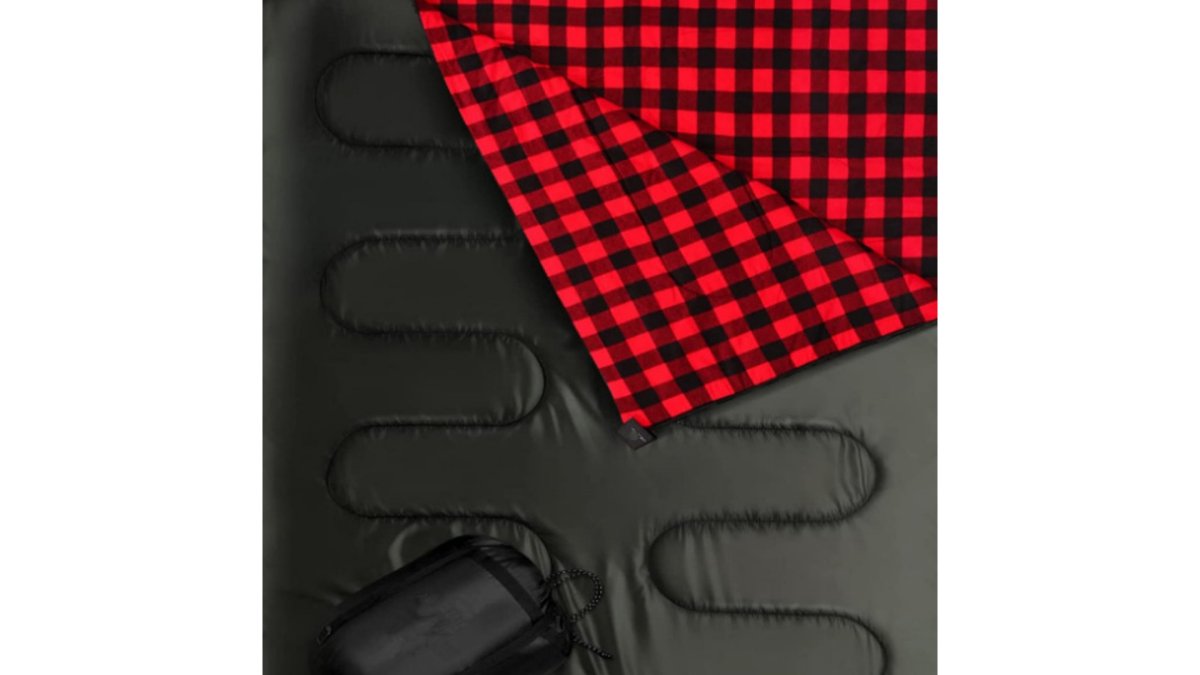
Table of Contents
- What Sleeping Bag Temperature Ratings Mean
- Understanding the Comfort, Lower-Limit, and Extreme Ratings
- ISO 23537 Testing Standards and What They Mean
- Sleeping Bag Comfort Rating: How to Interpret It
- Sleeping Bag Temperature Rating Chart by Season
- Best Sleeping Bag Temperature Rating for Summer
- How Sleeping Pad R-Value and Sleeping Bag Warmth Work Together
- Factors Beyond Temperature Ratings That Affect Warmth
- Frequently Asked Questions
Last Updated: October 18, 2026
What Sleeping Bag Temperature Ratings Mean
A sleeping bag temperature rating tells you the lowest temperature at which a bag keeps you warm enough to sleep comfortably.

The most common mistake isn't picking one that's too warm, it's misinterpreting the ratings. A bag rated 20°F won't keep you comfortable at 20°F unless you meet very specific conditions.
Comfort is personal: a cold sleeper might need a bag rated 10 degrees lower than someone who runs hot. Metabolism, body fat, fitness, and even what you ate shift how warm you feel.
Understanding the Comfort, Lower-Limit, and Extreme Ratings
Manufacturers publish three temperature ratings to give you a complete picture of what a bag can handle. Conflating them leads to poor decisions on the trail.
Comfort Rating: Your Ideal Sleep Temperature
The comfort rating is the temperature at which an average sleeper, defined as a woman in a curled position, sleeps comfortably through the night without waking from cold.
A bag rated 20°F for comfort should keep you warm and rested through a 20°F night. Focus on this rating when choosing a bag for your typical camping season, it matters most for sleep quality.
The comfort rating is conservative because manufacturers know miserable sleep ruins trips, so it's usually reliable if you meet its assumptions.
Lower-Limit Rating: The Coldest Safe Temperature
The lower-limit rating is the coldest temperature at which an average person can survive a night without serious hypothermia risk.
Think of the lower-limit as your emergency margin: if a cold front arrives faster than forecast or you camp higher than planned, it tells you whether you can make it through the night safely.
Don't intentionally camp at your bag's lower-limit temperature, but knowing that margin exists gives you confidence if the weather surprises you.
Extreme Rating: Survival Only
The extreme rating is the lowest temperature at which a bag can theoretically keep you alive in a life-or-death situation with every layer and technique deployed. Manufacturers publish it to meet testing standards, not for actual camping.
Never camp at your bag's extreme rating, that's survival, not recreation. It's the absolute floor of what your bag can do, never a target temperature.
ISO 23537 Testing Standards and What They Mean
All modern sleeping bag temperature ratings come from ISO 23537, the international standard for sleeping bag thermal performance.

The ISO 23537 test uses a thermal manikin, a heated dummy shaped like a human body, in light base layers and a curled position inside a controlled lab.
The standard also assumes a sleeping pad: a bag rated 20°F assumes at least some ground insulation, and without it the effective temperature rating drops significantly.
Sleeping Bag Comfort Rating: How to Interpret It
Your bag's comfort rating should drive most camping purchases, it's the temperature at which you'll actually sleep well. Interpreting it correctly means understanding its built-in assumptions.
The comfort rating assumes an average sleeper, statistically a woman in a curled position.
The comfort rating also assumes light base layers and a sleeping pad. Without the pad, effective warmth drops dramatically because ground insulation is where most heat loss happens.
Finally, the comfort rating assumes you're in decent shape and well-fed.
Sleeping Bag Temperature Rating Chart by Season
Choosing the right temperature rating starts with knowing what temperatures you'll actually encounter. Here's what makes sense for each season.
Summer Camping Temperature Ratings
Summer camping in most regions means nighttime lows of 50°F to 65°F. A bag rated 40°F is comfortable and gives a safety margin at higher elevation or in an unexpected cold snap. Summer bags are lighter and pack smaller, ideal for backpacking.
For summer car camping where weight isn't a concern, a 50°F comfort bag is fine and opens up as a quilt on warm nights, enough insulation for a temperature drop without overheating.
Fall and Spring Temperature Ratings
Fall and spring swing wildly, daytime highs near 70°F, nighttime lows of 35°F or lower at elevation or in exposed campsites. A bag rated 25-30°F gives flexibility: layer it with a quilt on warmer nights and stay warm when temperatures drop.
These seasons catch many people off-guard: the forecast shows 45°F, you bring a summer bag, and wind or cloud cover drops the actual temperature to 32°F. A bag rated 25°F handles these surprises without aggressive layering or poor sleep.
Winter and Snow Camping Temperature Ratings
Winter camping means nighttime lows regularly below freezing, often into the teens or single digits. A bag rated 0°F or colder suits winter camping in most of the country; in truly extreme conditions, high mountains, far north, you might need -10°F or lower.
Winter bags are significantly heavier and bulkier because insulation requirements are much higher, but the weight is justified: a cold winter night isn't just uncomfortable, it can be dangerous. Your bag's temperature rating becomes a genuine safety issue, not a comfort preference.
Best Sleeping Bag Temperature Rating for Summer
For summer camping, the best sleeping bag temperature rating depends on where you camp and how you sleep.
Camping Flannel Sleeping Bag Thickened →

If you're a cold sleeper or you camp in mountains where nighttime temperatures can surprise you, go with a 30°F bag instead.
The mistake many people make is buying a bag rated too warm for summer.
Our Portable Sleeping Bag Warm Adults Hiking is rated for 15°C (59°F) comfort temperature, making it versatile for warm-weather camping while still providing enough insulation for shoulder seasons.
How Sleeping Pad R-Value and Sleeping Bag Warmth Work Together
Your sleeping pad is as important as your sleeping bag when it comes to staying warm.
R-value measures how well a sleeping pad insulates you from the ground.
A sleeping bag rated 20°F assumes you have at least some ground insulation, typically an R-value of 2-3.
This is why experienced backpackers invest in quality sleeping pads. A $200 sleeping bag paired with a $50 pad performs worse than a $150 bag paired with a $150 pad.
Factors Beyond Temperature Ratings That Affect Warmth
The temperature rating is a starting point, but several other factors determine whether you'll actually sleep warm on any given night. Understanding these factors helps you predict your real comfort level and adjust your gear choices accordingly.
Your Sleep Style and Metabolism
How you sleep matters enormously. A person who curls into a tight ball stays warmer than someone who sprawls out flat because curling reduces surface area and traps more heat.
Your metabolism also plays a role. A fit, well-fed person generates more body heat than someone who's tired, hungry, or out of shape.
Age and body composition matter too. Younger people typically generate more heat than older people. People with more muscle mass generate more heat than people with less.
Weather Conditions and Campsite Exposure
Wind, humidity, and your campsite's exposure all affect how cold you feel. A sheltered campsite surrounded by trees feels warmer than an exposed ridgetop at the same elevation and temperature.
Humidity also matters. Damp conditions feel colder than dry conditions at the same temperature because moisture conducts heat away from your body more efficiently than dry air.
The quality of your tent and how well it's set up affects your microclimate inside. A well-sealed tent with good ventilation keeps you warmer and drier than a tent with gaps or poor air circulation.
Bag Fit, Insulation Type, and Condition
A sleeping bag that fits your body properly keeps you warmer than one that's too large.
The type of insulation also affects real-world warmth. Down insulation compresses under body weight, which reduces its insulation value.
Finally, bag condition matters. An old bag with compressed insulation won't perform as well as a new bag with the same rating.
Choosing the right sleeping bag temperature rating means matching your gear to real conditions and understanding what the ratings actually guarantee.
Our Sleeping Bag Mummy Outdoor Camping offers thickened insulation and mummy construction for serious cold-weather use, while our Cold Protection Camping Sleeping Bag delivers reliable warmth for extended seasons.
| Rating Type | Best Use | Temperature Assumption | Sleeper Position |
|---|---|---|---|
| Comfort | Normal camping | Average adult, light layers | Curled |
| Lower-Limit | Emergency backup | Average adult, all layers | Curled tight |
| Extreme | Survival only | Optimal conditions, maximum effort | Curled tight |
Pro Tip
A sleeping pad with R-value 5 or higher effectively adds 10-15 degrees of warmth to your sleep system. Don't skimp on the pad, it's as important as the bag itself.
Watch Out
Sleeping directly on the ground without a pad can reduce your effective warmth by 20-30 degrees compared to using a quality insulated pad. Ground insulation is where most heat loss happens.
Frequently Asked Questions
What does a 30-degree sleeping bag temperature rating mean?
A 30-degree sleeping bag rating indicates the comfort temperature according to ISO 23537 standards. This means an average person wearing base layers should sleep comfortably at 30°F without getting cold. The comfort rating is the temperature where most sleepers feel warm without overheating. It's not the coldest temperature the bag can handle, that's the lower-limit rating, which is typically 15-20°F colder.
What is the difference between a sleeping bag's comfort and limit ratings?
The comfort rating is where an average sleeper stays warm and comfortable throughout the night. The lower-limit rating is the coldest temperature at which the bag will keep you alive and reasonably warm, but you may feel chilled. The extreme rating represents survival conditions only and should never be your target temperature. For example, a bag rated 20°F comfort might have a 0°F lower-limit and -20°F extreme rating.
How do sleeping pads affect sleeping bag warmth and temperature ratings?
Sleeping pads are essential to your sleep system's warmth. Pads are rated by R-value: higher R-values provide more insulation from the cold ground. A pad with R-value 3-4 is suitable for summer camping, while R-value 5+ is needed for winter. Ground insulation accounts for 30-40% of total warmth loss, so a 20°F bag paired with a low-R-value pad may feel like a 40°F bag. For accurate warmth, match your pad's R-value to your expected ground temperature.
What is the best sleeping bag temperature rating for summer backpacking?
For summer camping in typical conditions, a 40-50°F comfort rating is ideal. Summer nights rarely drop below 40°F in most regions. A bag rated 50°F is lightweight, packable, and sufficient for June through August trips. If you camp in high altitude or early/late summer, consider a 30-40°F bag for safety. A 20°F bag in summer is unnecessarily heavy and expensive, you'll overheat and waste pack space.
How does my personal sleep style affect which temperature rating I need?
Cold sleepers should choose a bag rated 10-15°F colder than the expected low temperature. Warm sleepers can go 5-10°F warmer than the rating suggests. Your sleeping position matters too: curled positions trap more heat than sprawled positions. Factors like age, metabolism, fatigue level, and nutrition also affect how warm you feel. If you're uncertain, lean toward a colder rating and add layers, it's easier to cool down than warm up in a bag.
Do sleeping bag manufacturers' temperature ratings match ISO 23537 testing standards?
ISO 23537 is a standardized testing method used by many manufacturers. ISO-tested ratings are more reliable for comparison. When shopping, look for bags tested to ISO 23537 standards. Check product specifications carefully, a bag listing both comfort and lower-limit temperatures is more transparent than one listing only a single rating.
Can you use a 20-degree sleeping bag in the summer?
Technically yes, but it's impractical. A 20°F bag is designed for winter and will feel too warm for summer camping, leading to overheating, poor sleep, and wasted money. You'll also carry unnecessary weight and bulk. Summer bags rated 40-50°F are lighter, more packable, and designed for warmer conditions. Save your 20°F bag for fall, winter, and early spring trips where it performs as intended.
How do humidity, wind, and altitude affect my sleeping bag's warmth?
High humidity reduces insulation effectiveness because moisture traps heat. Wind can pull warm air from your bag if there are gaps or drafts. At high altitude, temperatures drop roughly 3-5°F per 1,000 feet of elevation gain, so plan accordingly. Exposed campsites lose more heat than sheltered areas near trees or rock formations. Wet conditions are especially dangerous, moisture degrades insulation performance significantly. Factor these conditions into your temperature rating choice by adding a safety margin of 10-15°F.
