

Cart
0
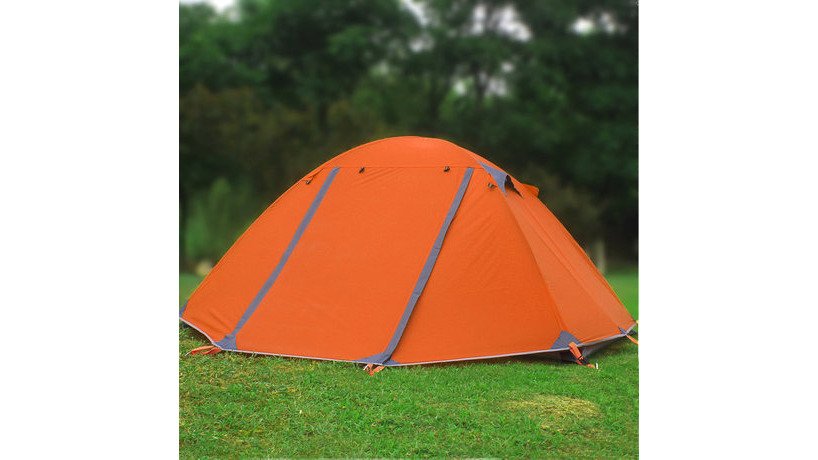
Table of Contents
- What Makes a Good Single Person Tent
- How to Choose a Backpacking Tent for Solo Trips
- Ultralight Backpacking Tents vs. Standard Options
- Freestanding vs. Non-Freestanding Tents: Which Works for Solo Camping
- Single Person Tent Comparison Table
-
Top Single Person Tent Options
- Lightweight Camping Tent Double Layer: Dual-Zip Ventilation for Solo Hikers
- Double-layer Aluminum Pole Waterproof Tent: Freestanding Stability on Any Terrain
- Double Camouflage Tent Leisure Tent: Budget-Friendly Entry Point
- Outdoor Double Layer Aluminum Pole Tent: Premium Breathability and Durability
- Inflatable Tent 2-4-Person: Tool-Free Setup for Casual Campers
- Durability and Long-Term Repairability
- Frequently Asked Questions
Last Updated: September 25, 2026
What Makes a Good Single Person Tent
A solid single person tent balances weight, weather protection, and livability without breaking the bank. The best designs prioritize three core elements: a waterproof rating that handles unexpected rain, enough interior space to feel comfortable rather than claustrophobic, and a structure that stands reliably on any terrain.
Your tent must shed water effectively, provide ventilation to prevent condensation, and pack small enough to carry comfortably. Peak height and floor area determine whether you feel cozy or cramped.
Successful solo campers prioritize durability and seasonality. A three-season tent handles spring through fall; winter requires a four-season design. Single person tents come in two structures: freestanding (no stakes needed) and non-freestanding (require stakes and guylines). Each has genuine tradeoffs.
Pro Tip
Peak height directly affects usability. If you're over 5'10", a tent with less than 42 inches of peak height will feel cramped. Measure yourself lying down in a tent before buying, comfort matters more than you'd think on a multi-day trip.
How to Choose a Backpacking Tent for Solo Trips
Picking the right tent depends on where you'll camp, how often, and what you value most. Summer trips through dry terrain demand different features than wet spring expeditions.
Weight and Portability
A 3-pound tent feels manageable for weekends, but extra weight becomes noticeable on five-day trips. Ultralight tents drop below 2 pounds using thinner fabrics and lighter poles, sacrificing durability and space.
Packed size determines how efficiently your gear fits. Most single person tents pack to roughly 20 by 8 inches when rolled; inflatable designs fold instead, affecting packing efficiency.
Consider total pack weight. A 2.5-pound tent feels reasonable at 25 pounds total; at 35 pounds, it becomes a burden. Sometimes a slightly heavier tent with better durability makes more sense for your actual trips.
Interior Space and Livability
Interior space determines comfort. Floor area ranges from 18 to 25 square feet; peak height from 38 to 48 inches. Peak height matters most, you need clearance to sit up if weather forces you inside.
A vestibule stores gear and keeps rain from dripping inside when you open the door. It reduces condensation on the inner tent. Some designs offer two vestibules for flexibility in positioning gear based on wind direction.
Mesh panels and breathable fabric in the inner tent help manage moisture. Double-wall designs (separate inner tent and rainfly) naturally breathe better than single-wall tents because they create an air gap. This gap allows condensation to form on the cooler outer rainfly rather than on your sleeping bag.
Weather Resistance and Waterproof Rating
Waterproof rating (in millimeters of hydrostatic head) measures water resistance. 2000mm handles moderate rain; 3000mm+ handles heavy downpours. The floor should match or exceed the rainfly's rating, or water seeps up from below.
Taped seams seal stress points where water penetrates. Most quality tents tape all seams on rainfly and floor; budget models often skip floor seam taping, a false economy.
Full rainfly coverage to the ground keeps wind-driven rain out. Partial coverage saves weight but reduces protection in heavy weather. For three-season camping, this tradeoff is acceptable; for unpredictable spring or fall storms, full coverage is better.
Ultralight Backpacking Tents vs. Standard Options
Ultralight tents use thinner fabrics (20-30 denier), lighter poles, and minimal volume, weighing 1.5-2 pounds. They're ideal for thru-hikers and long-distance backpackers.
Standard single person tents weigh 2.5-3.5 pounds, use heavier fabrics (40-70 denier), stronger poles, and roomier interiors. You sacrifice portability for durability and livability.
The real question is whether you'll use the weight savings. For one or two trips yearly on established trails, a standard tent offers better value. For 1,000+ miles yearly or technical terrain, ultralight design pays dividends.
For beginners testing backpacking, a solid standard tent makes more sense than heavy ultralight investment.
Freestanding vs. Non-Freestanding Tents: Which Works for Solo Camping
Freestanding tents stand without stakes or guylines, relying on pole tension. They work on any terrain, rocky ground, sand, snow, or hardpan where stakes won't hold.
Non-freestanding tents require stakes and guylines, are lighter and more packable, but take longer to set up. They work on established campsites with good soil but become frustrating on rock or challenging terrain.
Freestanding tents offer genuine convenience for solo backpacking, reposition without resetting stakes, camp on rocky ridges or beaches. The 15-20% weight penalty is worth the flexibility for solo travelers.
Non-freestanding designs make sense for established trails with reliable campsites if you're obsessive about weight and will actually use those savings by hiking faster or farther.
Double-layer Aluminum Pole Waterproof →
Single Person Tent Comparison Table
| Tent Model | Price | Weight | Peak Height | Waterproof Rating | Best For | Structure |
|---|---|---|---|---|---|---|
| Lightweight Camping Tent Double Layer | $86.49 | ~2.5 lbs | ~45" | 3000mm+ | Budget-conscious solo hikers | Double-wall |
| Double-layer Aluminum Pole Waterproof Tent | $96.98 | ~3 lbs | 45" | 2000-3000mm | Reliable all-around camping | Freestanding |
| Outdoor Double Layer Aluminum Pole Tent | $113.78 | ~3.2 lbs | 45" | 2000-3000mm | Premium breathability | Double-wall |
| Double Camouflage Tent Leisure Tent | $37.16 | ~2.9 lbs | 43" | 1000-1500mm | Car camping, casual trips | Single-layer |
| Inflatable Tent 2-4-person | $100.99 | 3 lbs | ~67" | 1500mm | Tool-free setup | Inflatable |
Top Single Person Tent Options
Lightweight Camping Tent Double Layer: Dual-Zip Ventilation for Solo Hikers
The Lightweight Camping Tent Double Layer delivers solid performance at $86.49, undercutting competitors while maintaining features that matter for real backpacking.
Ventilating windows close when needed, giving airflow control.
Double-layer construction with breathable cloth and mesh resists condensation. Hook-and-loop fastener adds water resistance. The vestibule stores gear.
Single-door design limits flexibility on tight campsites. Fiberglass poles are heavier than aluminum but durable.
Best For
Budget-conscious backpackers on weekend trips who value ventilation and don't mind carrying an extra half-pound for better livability.

Double-layer Aluminum Pole Waterproof Tent: Freestanding Stability on Any Terrain
The Double-layer Aluminum Pole Waterproof Tent at $96.98 offers freestanding design without premium pricing. Aluminum poles provide better strength-to-weight ratio.
High-density mesh inner tent with breathable cloth handles condensation reliably. Waterproof rating of 2000-3000mm handles moderate to heavy rain. Aluminum poles stand independently.
Color options help visibility. Double-wall design manages moisture better than single-wall. At 3 pounds, weight is reasonable for durability.
2-person capacity is snug with significant gear storage. 45-inch peak height feels tight if over 6 feet.
This tent bridges the gap between budget options and premium ultralight designs. You're paying for proven weather resistance without ultralight pricing.
Double Camouflage Tent Leisure Tent: Budget-Friendly Entry Point
The Double Camouflage Tent at $37.16 is the entry point for testing solo camping. It delivers legitimate functionality despite the low price.
Steel ground nails enhance stability. Breathable mesh keeps insects out. Triangular skylight increases rigidity without sacrificing ventilation. Single-layer construction keeps weight to about 1300 (g).
Price is the obvious advantage, try backpacking without financial regret. Fiberglass poles are durable for occasional use.
Waterproof rating of 1000-1500mm handles light to moderate rain, but heavy downpours penetrate. Single-layer construction means condensation collects inside. No vestibule means gear gets wet or stays outside. This is a casual camping shelter, not a serious backpacking tent.
Watch Out
Single-layer tents require excellent ventilation to manage condensation. On cool, humid nights, expect interior moisture. This isn't a failure, it's the design tradeoff for weight savings. If you're camping in wet conditions, accept that condensation happens and plan accordingly.
Outdoor Double Layer Aluminum Pole Tent: Premium Breathability and Durability
The Outdoor Double Layer Aluminum Pole Tent at $113.78 is the premium option, built for frequent campers who want gear lasting years.
210T breathable cloth with B3 mesh manages moisture exceptionally well.
Inflatable Tent 2-4-Person: Tool-Free Setup for Casual Campers
The Inflatable Tent at $100.99 eliminates setup complexity. Simply inflate to set up, no poles or tools required. The tent stands automatically in minutes.
Pro Tip
Inflatable tents work best for car camping, established campgrounds, and casual trips where setup speed matters more than weight. For backpacking where you're hiking daily, traditional pole designs are more practical.
Durability and Long-Term Repairability
A tent's real value emerges after season two or three. Quality matters because repairs determine longevity.
Frequently Asked Questions
What features should I look for in a single person tent?
Prioritize weight (under 4 pounds for backpacking), a waterproof rating of at least 2000mm on the floor and 3000mm on the rainfly, good ventilation with mesh panels to reduce condensation, and a freestanding design that doesn't require stakes for basic stability. Peak height matters too, aim for at least 42 inches so you can sit upright. Check if the tent includes a vestibule for gear storage and guylines for wind resistance.
How much should a one-person backpacking tent weigh?
For ultralight backpacking, aim for 2-3 pounds total weight. Standard single person tents typically weigh 3-5 pounds. If you're a casual camper or car camping, weight matters less. Lighter tents cost more and often sacrifice interior space or durability. Consider your hiking distance and fitness level, longer backcountry trips justify investing in ultralight gear, while weekend trips work fine with heavier options.
Are single person tents worth it for solo hikers?
Yes, if you hike alone regularly. A single person tent reduces weight and pack size compared to larger tents, making longer treks more comfortable. You'll also appreciate the privacy and ability to set up exactly where you want. However, if you occasionally camp solo but mostly hike with others, a 2-person tent offers flexibility. Solo tents range from $37 to $113, so you can find one that fits your budget and use case.
Can a one-person tent fit a sleeping pad and gear inside?
Most single person tents have a floor area of roughly 20-25 square feet, which fits a sleeping pad (typically 2.5 feet wide) and a small backpack or dry bag. Look for tents with a vestibule, an external storage area, to keep gear outside the sleeping space. Tents with deeper vestibules, like those with 50cm extensions, give you more room for boots, a pack, or cooking supplies without cluttering your sleeping area.

