

Cart
0
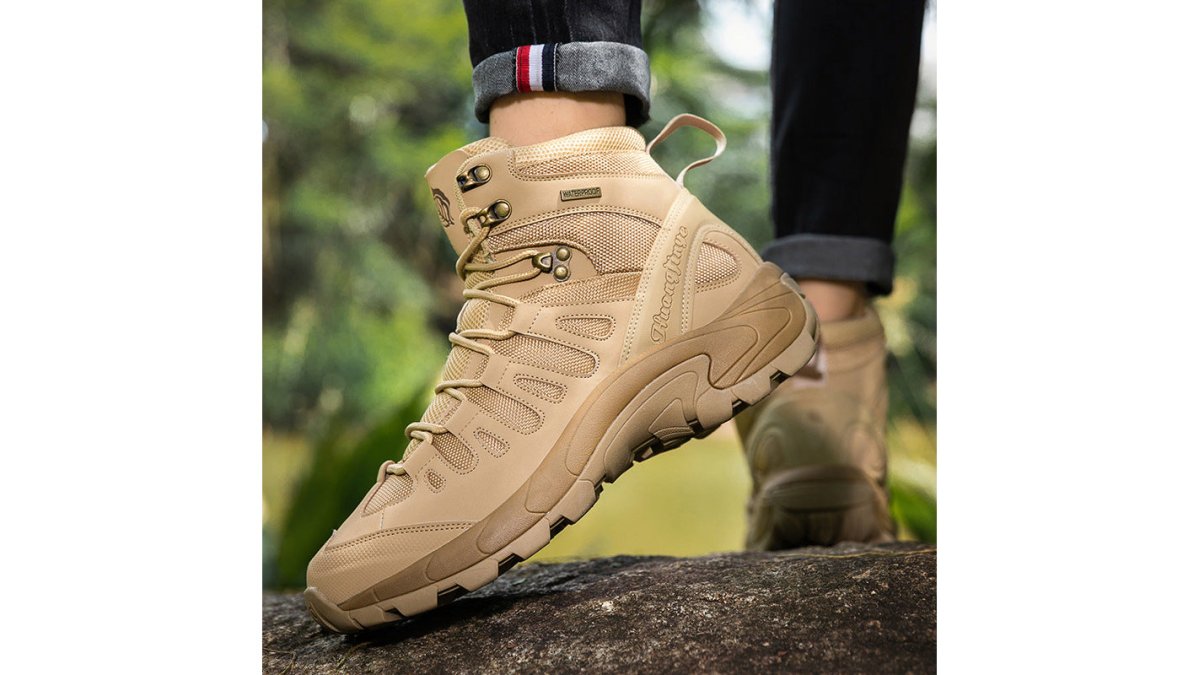
Table of Contents
- What Makes Camping Gear Actually Durable
- How to Choose a Durable Tent
- Selecting a Sleeping System That Lasts
- Durable Tent Materials Explained
- How to Maintain Camping Equipment
- When to Replace Camping Gear
- Building Your Gear Foundation as a Beginner
- Frequently Asked Questions
Last Updated: September 30, 2026
What Makes Camping Gear Actually Durable
Durable camping gear isn't about buying the most expensive option or trusting brand names alone. It's about understanding the specific materials, construction methods, and design choices that determine whether your tent survives five seasons or falls apart after two trips.
The difference between gear that lasts and gear that fails comes down to three core factors: material quality, construction integrity, and how well the design balances weight with structural strength. This guide walks you through exactly what makes durable camping gear actually durable.
Material Quality and Construction Methods
High-quality camping gear uses materials specifically engineered for outdoor conditions. Look for ripstop nylon, polyester blends, and technical fabrics designed to resist tearing and water penetration. Ripstop fabric has reinforced threads that prevent small tears from spreading, which is why you see it on serious tents and sleeping bags.
Construction methods matter just as much as materials. Seams sealed with waterproof tape and reinforced stitching will outlast simple stitched seams. Double-stitching, box stitching, and reinforced stress points (where poles connect, where guy lines attach) are hallmarks of gear built to last. When you examine a tent or backpack, look at the seams closely, quality gear shows careful attention to high-stress areas.

Weight-to-Durability Balance
Modern materials can be both lightweight and durable. Ultra-lightweight gear (under 2 pounds per person for a three-season tent) typically uses thinner fabrics and minimalist designs, working well for experienced backpackers. Beginner-friendly durable camping gear tends to be slightly heavier because it uses thicker fabrics and stronger construction, providing durability, easier setup, and more forgiveness if you make mistakes in the field.
The sweet spot for most beginners is gear that weighs more than ultralight options but significantly less than car camping gear, giving you real durability without creating a pack so heavy you dread every trip.
How to Choose a Durable Tent
Your tent is the cornerstone of your camping system. It protects you from weather, provides shelter, and takes more abuse than any other piece of gear. A durable tent maintains its weatherproof integrity season after season, resists UV damage and tearing, and keeps you dry in moderate to heavy rain without leaking at the seams.
Fabric Types and Waterproof Ratings
Tent fabrics fall into two main categories: nylon and polyester. Nylon is lighter and more packable, but polyester resists UV damage better and maintains its water resistance longer. Many quality tents use a polyester shell with nylon inner walls, balancing weight, durability, and weather protection.
Waterproof ratings are measured in millimeters (mm) of water column. For tent floors, you want at least 5,000mm. For tent walls, 1,500mm to 3,000mm is adequate for three-season camping. Higher ratings (3,000mm+) are better for extended use and harsh conditions.
The denier rating tells you fabric thickness.
Seam Sealing and Frame Design
Seams are the weak point in any tent. Quality tents have all seams sealed with waterproof tape on the interior. You can see this if you look inside a tent, there should be a visible tape strip running along every seam.
Selecting a Sleeping System That Lasts
Your sleeping bag and sleeping pad work together to keep you warm and comfortable. A sleeping bag's lifespan depends on insulation quality, fabric durability, and how well you care for it between trips. Most quality sleeping bags last 5-10 years of regular use before losing significant loft.
Down Fill Power vs. Synthetic Insulation
Down insulation uses goose or duck feathers and offers the best warmth-to-weight ratio, compressing more than synthetic materials and making it ideal for backpacking. The downside: down loses insulating properties when wet and takes a long time to dry. Fill power measures down quality; higher numbers (800+ down fill power) mean better insulation from less material.
Comfort Rating and R-Value Explained
A sleeping bag's comfort rating tells you the lowest temperature at which an average sleeper can stay warm. A "20-degree comfort rating" means most people stay warm at 20°F.
Durable Tent Materials Explained
Ripstop Fabric and Denier Ratings
Ripstop fabric has a distinctive woven pattern with reinforced threads running through it. These threads stop small tears from spreading across the entire panel. Denier is a measure of yarn thickness: 75D is lightweight and packable, 100D is a good middle ground, and 150D is heavy-duty. Most quality three-season tents use 70D to 100D fabrics because they balance durability with weight.
Plus Size Men's Outdoor Hiking Shoes →
Ground Cloth and Footprint Protection
Your tent floor takes more punishment than any other component. A ground cloth (footprint) protects the tent floor and extends its lifespan significantly. Quality footprints are made from durable polyethylene or polyester fabric, often with a slightly textured surface that resists sliding. The footprint should be slightly smaller than the tent's footprint so water doesn't pool between the tent floor and the ground cloth.
How to Maintain Camping Equipment
Gear maintenance determines whether your gear lasts five seasons or falls apart in two. You can buy the most durable tent on the market, but if you store it wet or dirty, it will deteriorate quickly.
Cleaning and Storage Between Trips
After every trip, rinse your tent with fresh water to remove dirt, pollen, and salt residue. Allow the tent to dry completely before storing; moisture promotes mold and mildew growth.
Repair Basics and Knowing When to Replace
Small tears in tent fabric can be patched with adhesive repair patches designed for ripstop fabric. Larger tears or damage to seams requires professional repair or replacement.
When to Replace Camping Gear
Understanding the lifespan of different gear types helps you plan replacements and avoid being caught with failed equipment in the field.
Signs Your Tent Needs Replacement
A tent that leaks during moderate rain, has visible fabric degradation, or has bent poles that won't straighten is nearing the end of its useful life. If you're spending more on repairs than the cost of a new tent, replacement makes sense.
Sleeping Bag and Clothing Lifespan
A quality sleeping bag loses about 10% of its loft per year with normal use. After 5-10 years, most bags have lost enough insulating power to require replacement. Base layers last 3-5 years with proper care; avoid fabric softener and high heat, which damage moisture-wicking properties. Shell jackets and pants last longer because they experience less stress, a quality shell can last 5-10 years if you repair small tears promptly.
Building Your Gear Foundation as a Beginner
Your first camping setup doesn't need to be comprehensive. Focus on the essentials that determine comfort and safety, then expand gradually.
Car Camping vs. Backcountry Gear Priorities
Car camping allows you to prioritize comfort and durability over weight. A quality car camping tent can be larger and more spacious than a backpacking tent.
Footwear and Layering System Essentials
Quality hiking boots or shoes that fit properly prevent blisters and foot pain that can ruin a trip. Roam Ready Outdoor offers High-top Hiking Male Martin Boots designed for hiking and camping, with polyester fabric.
| Gear Type | Typical Lifespan | Key Durability Factor | Maintenance Priority |
|---|---|---|---|
| Three-season tent | 5-10 years | Seam sealing and fabric quality | Store dry, use footprint |
| Sleeping bag | 5-10 years | Insulation loft retention | Air dry after trips, wash annually |
| Hiking boots | 2-5 years | Sole durability and construction | Clean and dry after trips |
| Base layers | 3-5 years | Fabric integrity and elastic | Wash in cold water, air dry |
| Shell jacket | 5-10 years | Waterproof coating maintenance | Store away from UV, repair tears promptly |
Pro Tip
Most beginners underestimate ground insulation. A thin sleeping pad negates even the best sleeping bag. Pair your sleeping bag with a pad that has an R-value of at least 2-3 for three-season camping. Ground cold is the biggest reason people sleep poorly on their first camping trips.
Watch Out
Storing a wet tent is the fastest way to destroy it. Mold and mildew damage fabric irreparably. Always dry your tent completely before storage, even if it takes an extra day. A tent stored wet for a week can develop damage that's impossible to repair.
Frequently Asked Questions
What materials make camping gear most durable?
Ripstop fabric resists tears and punctures in tents and packs. For sleeping bags, down fill power and synthetic insulation handle moisture. Nylon and polyester with quality seam sealing prevent water infiltration. The best durable camping gear combines multiple materials strategically: a tough exterior, protective base layers, and quality stitching throughout.
How do I maintain camping equipment to make it last longer?
Clean gear after each trip, then air-dry completely before storage. Store gear in a cool, dry place away from direct sunlight, which breaks down fabric over time. Inspect seams and zippers regularly for damage. Address small tears immediately with repair tape or patches. Proper maintenance can extend gear life by years and prevent costly replacements.
Is it better to buy cheap camping gear as a beginner?
Budget gear may fail during your first real trip, costing more in replacements and ruined experiences. Durable camping gear from reputable brands holds up through multiple seasons, making the per-trip cost lower. Beginners benefit most from investing in a quality three-season tent and a sleeping bag with proper temperature ratings for your climate. Footwear like our High-top Hiking Male Martin Boots ($44.99) or Plus Size Men's Outdoor Hiking Shoes ($49.99) provide reliable support without excessive cost. Mid-range gear balances affordability with durability better than the cheapest options.
What are the most important pieces of camping gear to invest in first?
Prioritize a quality tent with good waterproof ratings and seam sealing, a sleeping bag rated for your climate, and reliable footwear. A three-season tent suits most beginners doing car camping and moderate backcountry trips. Your sleeping system, including insulation type and comfort rating, directly affects sleep quality and safety. Proper footwear prevents injuries and blisters; options like our Unisex Mesh Hiking Boots ($41.98) offer shock absorption and durability for varied terrain. After these essentials, add a ground cloth to protect your tent floor, quality base layers for moisture-wicking, and a reliable headlamp for safety.

