

Cart
0
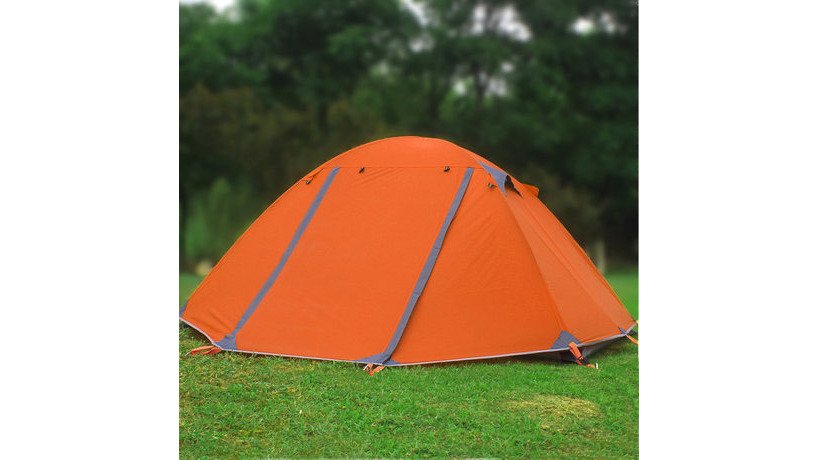
Table of Contents
- What Makes a 4-Season Tent Resistant to High Winds
- Comparison Table: 4-Season Tents for High-Wind Performance
- Geodesic vs Tunnel Tent for Wind: Which Design Wins
- How to Stake a Tent in High Winds: Anchoring Techniques
- Best Tent Stakes for Rocky Ground and Exposed Sites
- Top 4-Season Tents for High Winds: Product Recommendations
- Common Mistakes to Avoid When Pitching in High Winds
- Frequently Asked Questions
Last Updated: September 29, 2026
What Makes a 4-Season Tent Resistant to High Winds
When selecting the best 4-season tents for high winds, look for designs that combine structural geometry, material engineering, and anchoring systems working together to resist powerful gusts. The best 4-season tents for high winds share core characteristics: low aerodynamic profiles, reinforced pole systems, and multiple guy-line attachment points that distribute wind load across the entire structure.
Wind resistance starts with pole geometry. Geodesic and semi-geodesic designs create multiple crossing poles that distribute stress across the frame rather than concentrating it at a few points. Tunnel tents use two parallel poles running lengthwise, which work in moderate conditions but can flex dangerously in extreme wind.
Quality 4-season tents use ripstop nylon or polyester with waterproof coatings rated between 2000mm and 5000mm. Higher denier fabrics (210D or greater) resist tearing from wind-driven debris.
Ventilation in high-wind tents requires careful balance. Condensation management is critical because you cannot crack doors for airflow without compromising wind protection.
Roam Ready Outdoor's aluminum-pole models combine double-layer construction and reinforced guy-line systems for exposed alpine environments where wind is constant and severe.
Key Takeaway
The key to wind resistance is distributing stress across multiple poles and attachment points rather than relying on a single structural system. Low profile, multiple guy-out points, and high-quality materials create redundancy, if one element fails, others still hold.
Comparison Table: 4-Season Tents for High-Wind Performance
| Model | Pole Material | Waterproof Rating | Capacity | Price | Best For |
|---|---|---|---|---|---|
| Double-layer Aluminum Pole Waterproof Tent | Aluminum | 2000-3000mm | 2 persons | $96.98 | Budget-conscious wind camping |
| Outdoor Double Layer Aluminum Pole Tent | Aluminum | 2000-3000mm | 2 persons | $113.78 | Enhanced waterproofing needs |
| 4 Persons Camping Waterproof Instant Setup Tent | Glass fiber | Water-resistant | 3-4 persons | $69.95 | Quick deployment in variable winds |
| Double Camouflage Tent Leisure Tent | Fiberglass | 1000-2000mm | 2 persons | $37.16 | Mild-wind camping, budget option |
Geodesic vs Tunnel Tent for Wind: Which Design Wins
Geodesic domes dominate extreme-weather mountaineering. Multiple crossing poles create inherent rigidity; wind pressure gets absorbed and transferred across the entire framework. The trade-off is weight and packed size; geodesic tents are heavier and bulkier than tunnel designs.

Tunnel tents excel in moderate to strong winds when pitched correctly, creating a low aerodynamic profile. However, they concentrate stress at pole attachment points and require precise guy-line tensioning and proper orientation into the wind.
For most backcountry campers, a semi-geodesic compromise works best. This design uses three or four poles that cross in certain sections, weighing less than full geodesics while providing better wind stability than tunnel designs. The Outdoor Double Layer Aluminum Pole Tent from Roam Ready Outdoor uses reinforced aluminum poles with multiple attachment points for structural redundancy without the weight penalty of true geodesics.
A tent's aerodynamic profile matters as much as pole geometry. Low-profile designs with tapered ends reduce wind catch. Vents positioned on the leeward side prevent wind tunneling through the interior.
Pro Tip
Pitch your tent with the lowest profile facing the wind direction. Most tents have a tapered end and a more squared end. Position the tapered end into the wind to minimize wind catch and reduce stress on the pole system.
How to Stake a Tent in High Winds: Anchoring Techniques
Proper staking determines whether a well-designed tent stays upright in high winds. The anchoring system, stakes, guy-lines, and deadman anchors, distributes wind load into the ground.

Drive stakes at 45 degrees away from the tent, not perpendicular to the ground. This distributes pulling force downward and outward into the soil. In soft ground, increase the angle to 60 degrees. In rocky terrain, combine a shallower angle with additional guy-lines for redundancy.
Guy-lines must be taut but not so tight they deform the tent or snap under gusts. The catenary cut should be visible as a gentle curve, not pulled flat. Check tension every few hours during sustained wind; materials stretch and tension decreases.
Use every available guy-out point. Standard 4-season tents have 6-8 points along the tent body and vestibule. Skipping guy-outs concentrates stress on remaining attachment points. In extreme wind, additional guy-lines provide extra stability.
Deadman anchors work when traditional stakes fail. Bury a stick, rock, or gear bag perpendicular to the ground and attach guy-lines to it. In snow, a snow picket driven at 45 degrees and buried 18 inches deep holds better than traditional stakes.
Rocky terrain requires stakes with wide flanges that grip between rocks. Soft earth needs longer stakes or deadman anchors. Frozen ground requires specialized ice axes or stakes with larger surface areas.
Best Tent Stakes for Rocky Ground and Exposed Sites
Standard aluminum stakes work adequately in most conditions but fail in rocky terrain. Rocky ground demands stakes with wider flanges or specialized designs that grip between rocks.
V-shaped stakes with wide flanges perform well in rocky terrain by catching between rocks. Fiberglass-reinforced stakes flex slightly under load, reducing snapping risk. Steel stakes offer maximum strength but are heavier and prone to bending.
Deadman anchors excel on exposed sites where soil is shallow or rocky. Bury a stick, carabiner, or specialized deadman plate perpendicular to the ground. In high wind on exposed ridges, deadman anchors are more reliable than traditional stakes.
Double-layer Aluminum Pole Waterproof →
Snow pickets work in winter or alpine environments. These long, narrow stakes are driven at 45 degrees into snow and buried deeper than the surface, holding better than traditional stakes.
For specialized environments like rocky alpine sites or winter camping, upgrade to terrain-specific stakes. Carry multiple stake types on expeditions where ground conditions vary.
Watch Out
Never skimp on stakes or guy-lines in high wind. A single failed anchor point can cascade into tent failure. Redundancy, extra stakes, backup guy-lines, and deadman anchors, is your insurance policy in extreme conditions. The cost of additional anchoring hardware is negligible compared to the risk of losing shelter in a storm.
Top 4-Season Tents for High Winds: Product Recommendations
Double-Layer Aluminum Pole Waterproof Tent
This is our top recommendation for high-wind camping on a budget. The aluminum pole construction provides rigidity without excessive weight, and the double-layer design reduces condensation while maintaining structural integrity in wind.
The tent measures 210 cm long by 115 cm high with a vestibule configuration. The 210T PU3500 polyester flysheet resists tearing, and the 2000-3000mm waterproof rating keeps you dry in heavy rain or snow melt.
What works: The aluminum poles distribute stress across multiple attachment points. The high-density mesh inner tent promotes airflow without creating wind tunnels. The price point at $96.98 is accessible for backpackers.
What doesn't: This is a two-person tent, which feels tight for extended stays. The vestibule space is modest.
Best for: Experienced backpackers camping in alpine terrain during shoulder seasons when wind is frequent but temperatures remain moderate.
Outdoor Double Layer Aluminum Pole Tent
This model upgrades the waterproofing for exposed sites. The 210T PU5000MM polyester flysheet with waterproof glue provides superior protection. The aluminum rod pole system uses reinforced construction that resists bending under sustained wind load.
The specifications create a more spacious interior than the base model while maintaining a low wind profile. The packing list includes wind rope and ground nails for high-wind deployment.
What works: The 5000mm waterproofing rating exceeds most expedition-grade tents. The included wind rope and comprehensive hardware set provide proper guy-lines and stakes ready to deploy.
What doesn't: At $113.78, this costs slightly more than the base model. The added waterproofing is valuable in extreme conditions but overkill for most three-season camping.
Best for: Mountaineers and alpine campers who expect snow, ice, and sustained wind.
Double Camouflage Tent Leisure Tent
At $37.16, this is the lowest-cost 4-season tent in the Roam Ready Outdoor lineup. The fiberglass wave poles and single-layer construction create a lightweight, packable shelter suitable for mild-wind conditions.
4 Persons Camping Waterproof Instant Setup Tent
This instant-setup design allows setup in under two minutes without assembling poles. The 2 x 2 x 1.3 m interior accommodates 3-4 people comfortably.
Best For
Choose the Double-Layer Aluminum Pole Waterproof Tent if you want proven high-wind performance at an accessible price. Choose the Outdoor Double Layer model if you expect extreme precipitation or winter conditions. The instant-setup tent is best for groups or rapid-deployment scenarios where wind is variable but not extreme.
Common Mistakes to Avoid When Pitching in High Winds
Mistake 1: Ignoring aerodynamic profile. Always orient the tent with the lowest profile facing wind direction. Most tents have a tapered end and a squared end; the tapered end should face the wind. This adjustment reduces wind stress by 30-40 percent.
Frequently Asked Questions
What tent features are most important for high-wind stability?
The most critical features are low aerodynamic profile, reinforced aluminum or fiberglass poles, geodesic or dome geometry for structural integrity, and multiple guy-out points for secure anchoring. Double-layer construction with a strong flysheet reduces wind-induced flapping.
Can tents survive 50 mph winds?
Purpose-built 4-season tents with geodesic pole geometry and proper anchoring can withstand sustained winds when pitched correctly. However, survival depends on site selection, proper tensioning of guy-lines, and using deadman anchors or snow pickets on soft ground. Always check manufacturer wind-rating specifications and avoid exposed ridges during extreme gusts.
How do geodesic tent designs compare to tunnel tents in high winds?
Geodesic domes distribute wind load across multiple pole intersections, creating superior structural rigidity and storm-worthiness. Tunnel tents rely on catenary-cut fabric and two main poles, offering good wind resistance but less stability in extreme conditions. Geodesic designs excel in high-altitude mountaineering and exposed alpine camping, while tunnel tents provide better interior volume for the weight. For pure high-wind performance, geodesic geometry is the stronger choice.
What is the best way to stake a tent in high winds?
Use a deadman anchor system on soft ground: bury stakes or a stick perpendicular to the guy-line direction. On rocky terrain, use specialized rock stakes or wrap guy-lines around boulders. Angle stakes 45 degrees away from the tent, not straight down. Tension guy-lines evenly and use multiple anchor points. For snow, deploy snow pickets at an angle. Test the setup by pulling on the tent; it should flex slightly but not shift. Proper stake-out prevents catastrophic pole failure during wind gusts.
