

Cart
0
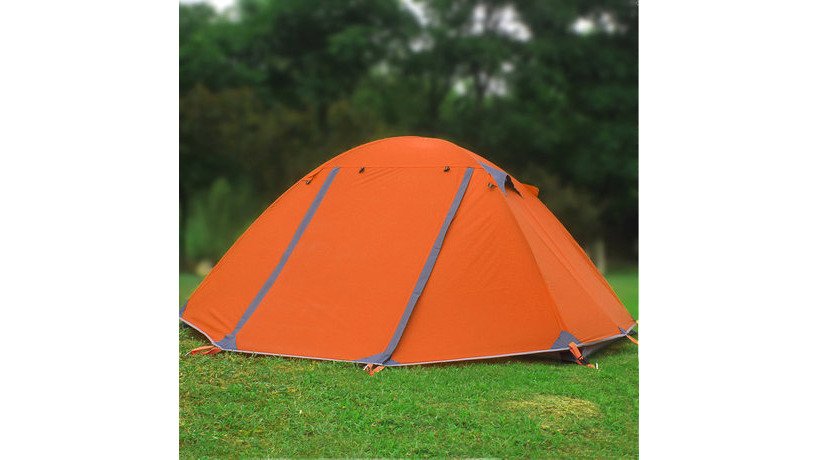
Table of Contents
- Canvas vs Nylon Tents for Durability: What You Need to Know
- Most Durable Tent Material: Comparing Canvas and Nylon
- Canvas Tent Lifespan vs Nylon: Long-Term Performance
- Weather Resistance and Waterproofing
- Tent Fabric Tear Resistance: Which Material Wins
- How to Care for a Camping Tent to Extend Its Life
- Pricing and Value Comparison
- Which Material Should You Choose?
- Frequently Asked Questions
Last Updated: October 7, 2026
Canvas vs Nylon Tents for Durability: What You Need to Know
When you're choosing a tent, durability matters more than almost anything else. A tent that fails in the field isn't just inconvenient, it defeats the entire purpose of owning one. The question of canvas vs nylon tents for durability comes down to understanding how each material behaves over time, what conditions break them down, and which one actually lasts longer in real-world use.
Canvas and nylon represent two fundamentally different approaches to tent construction. Canvas is a natural fiber fabric that's been used for centuries in outdoor shelters. Nylon is a synthetic polymer developed in the mid-20th century that revolutionized lightweight gear. Both materials have devoted followers, and both have legitimate strengths. But they fail in different ways, require different maintenance, and suit different camping styles.
The durability question comes up constantly because people want gear they can trust for years. This guide breaks down how canvas and nylon actually perform, where each excels, and how to choose based on your camping style.
Most Durable Tent Material: Comparing Canvas and Nylon
Canvas durability and nylon durability operate on different timescales. Canvas gets stronger in some ways as it ages, while nylon degrades predictably under UV exposure. Neither is universally "more durable", it depends on what you're measuring.

Canvas Durability and Strength
Canvas is woven cotton, typically treated with oils or waxes for water resistance. The fabric has natural tensile strength that actually increases slightly as it seasons. Canvas tents can last 20-30 years or more with proper care.
The strength of canvas comes from its tight weave and fiber structure. A quality canvas tent uses heavy denier fabric, often 12-16 ounce canvas, that resists tearing and punctures. Canvas breathes naturally, which means condensation management happens without active ventilation. This is a real advantage in cold weather camping where moisture buildup can be a problem.
Canvas does have weaknesses. It's heavy, a canvas tent for four people typically weighs 25-40 pounds. Canvas absorbs water, which means it gets heavier when wet and takes a long time to dry. Mildew can develop if the tent isn't dried thoroughly after use. Canvas also requires regular maintenance: the fabric needs to be treated periodically to maintain waterproofing, and seams need attention.
Nylon Durability and Tear Resistance
Nylon is a synthetic fiber engineered for lightweight strength. Modern nylon fabrics use ripstop construction, a pattern of reinforced threads that stops small tears from spreading. A quality nylon tent can last 10-15 years with normal use, though some fail sooner if exposed to intense UV radiation.

Nylon's main advantage is weight. A nylon tent for four people weighs 8-12 pounds compared to canvas's 25-40 pounds. Nylon dries quickly, doesn't absorb water the way canvas does, and requires minimal maintenance. The fabric is treated with DWR coatings to shed water and with UV-resistant compounds to slow degradation.
The vulnerability in nylon is UV exposure. Sunlight breaks down the polymer chains in nylon fibers over time. A nylon tent left in storage in a sunny location or used in high-altitude environments with intense UV will degrade faster than one used in temperate climates. Nylon also loses flexibility in extreme cold, which can make it crack if stressed. The seams, which are glued rather than sewn, can separate if the adhesive fails.
Canvas Tent Lifespan vs Nylon: Long-Term Performance
Canvas tent lifespan extends well beyond nylon when properly maintained. A canvas tent that's dried thoroughly after each use and stored in a cool, dry place can function for decades. The fabric itself doesn't degrade the way nylon does, it just needs periodic treatment to maintain water resistance.
The real factor in canvas longevity is user behavior. Tents that are packed away wet develop mildew and rot. Tents stored in damp basements deteriorate faster than those in dry conditions. Canvas that's treated annually with water-resistant oils or modern sealants maintains its integrity much longer than untreated canvas.
Nylon tent lifespan is more predictable but shorter. Most nylon tents reach the end of useful life around 10-15 years, though some last longer. The timeline depends heavily on UV exposure. A tent used occasionally in moderate climates lasts longer than one used frequently in high-altitude or desert environments where UV radiation is intense. Seam failure is common in older nylon tents, the glue adhesive breaks down and seams separate, making the tent unreliable.
One consideration: repairability. Canvas tears can be patched and stitched. Canvas seams can be re-sealed. Nylon seams that fail are difficult to repair properly because the glue-based construction doesn't respond well to traditional sewing. A torn nylon panel can be patched, but it's a temporary fix.
Weather Resistance and Waterproofing
Both materials can be made waterproof, but they achieve it differently. Canvas relies on tight weaving and water-resistant treatments. A properly treated canvas tent sheds rain effectively and can handle heavy precipitation. The hydrostatic head rating, a measure of water pressure the fabric can withstand, is typically 1500-2000mm for quality canvas, which is adequate for most camping conditions.
Nylon uses PU coatings and DWR treatments to achieve waterproofing. Modern nylon tents have hydrostatic head ratings of 2000-5000mm or higher, which exceeds what most campers encounter. The coating is applied to the fabric and bonds at the molecular level. However, these coatings can degrade over time, especially in high-UV environments.
Breathability differs significantly. Canvas breathes naturally because it's a natural fiber. Moisture from inside the tent passes through the fabric, reducing condensation buildup. This is especially valuable in cold weather or in tents where multiple people are sleeping. Nylon doesn't breathe, it requires intentional ventilation through windows, doors, and mesh panels to manage moisture.
Wind resistance depends more on pole structure than fabric, but both materials perform adequately. Canvas's weight gives it stability in wind, while nylon's lighter weight requires more careful guy-line tensioning. Neither material is inherently superior for wind resistance.
Tent Fabric Tear Resistance: Which Material Wins
Tent fabric tear resistance favors nylon in the short term. Ripstop construction stops small tears from spreading, and nylon's flexibility means it resists puncture damage better than rigid canvas. A nylon tent can handle accidental contact with sharp objects or rough ground better than canvas.
Double-layer Aluminum Pole Waterproof Tent →
Canvas tears more easily when new, but the damage is often repairable. A canvas tear can be stitched and sealed, and the repair integrates into the fabric. Canvas also has natural abrasion resistance, the tight weave resists wearing through from friction.
The practical difference: nylon tents rarely tear during normal use, but when they do, repair is difficult. Canvas tents are more likely to develop small tears, but repairs are straightforward and effective. Over a 20-year lifespan, a canvas tent might be patched several times and still be fully functional. A nylon tent that develops seam failure or significant tears becomes unreliable.
How to Care for a Camping Tent to Extend Its Life
Tent maintenance determines longevity more than material choice. A well-maintained nylon tent lasts longer than a neglected canvas tent, and vice versa.
For canvas tents, the critical step is drying. Pack the tent away wet and mildew develops within days. Always set up the tent to dry completely before storage. If mildew appears, treat it with a dilute vinegar solution or commercial mildew cleaner. Apply water-resistant treatment annually or every two years, products like Thompson's WaterSeal or specialized canvas treatments work well. Check seams regularly and re-seal if water starts penetrating.
For nylon tents, the focus is UV protection and seam care. Store the tent in a dry location away from direct sunlight. Avoid leaving it set up for extended periods in intense sun. Inspect seams annually and check for signs of separation. If seams are starting to fail, specialized seam sealers can extend life temporarily, but eventual replacement is likely. Keep the tent clean, dirt and debris can damage coatings over time.
Both materials benefit from proper storage. Use a breathable storage bag, not a waterproof one. Store in a cool, dry place. Avoid attics where temperature fluctuations occur or damp basements. Keep the tent away from direct heat sources.
| Maintenance Task | Canvas | Nylon | Frequency |
|---|---|---|---|
| Dry after use | Critical | Important | Every use |
| Water-resistant treatment | Required | Occasional | Annually (canvas), every 2-3 years (nylon) |
| Seam inspection | Regular | Regular | Every 6 months |
| Mildew prevention | Priority | Lower priority | As needed |
| UV protection | Less critical | Critical | Ongoing |
Pricing and Value Comparison
Canvas tents cost more upfront. A quality canvas tent from Roam Ready Outdoor ranges from $88.44-$113.78, depending on size and features. A comparable nylon tent costs less initially, our nylon options range from $37.16-$86.49. The price difference reflects material cost and construction complexity.
Value over time tells a different story. A canvas tent that lasts 25 years costs roughly $3-5 per year. A nylon tent that lasts 12 years costs roughly $3-7 per year.
The Double Deck Family Outdoor Camping Travel Tent at $88.44 offers solid nylon construction with a 2.8kg weight and 2500-3000mm waterproof rating, excellent for car camping or base camp use. The Outdoor Double Layer Aluminum Pole Tent at $113.78 provides canvas-like durability with aluminum poles and higher waterproofing specs.
For backpackers prioritizing weight, the Lightweight Camping Tent Double Layer at $86.49 balances durability with portability using fiberglass poles and 3000mm+ waterproofing. For budget-conscious campers, the Double Camouflage Tent Leisure Tent at $37.16 works for occasional use, though it's a single-layer design with lower waterproofing.
Which Material Should You Choose?
Choose canvas if you camp regularly, want a tent that improves with age, and don't mind the weight. Canvas suits car camping, base camp setups, and anyone willing to invest in maintenance. Canvas is the choice for backcountry trips where you'll camp in the same location for multiple nights, the breathability and durability justify the weight.
Choose nylon if you hike to your campsite, prioritize portability, or camp in high-UV environments infrequently. Nylon suits backpacking, quick weekend trips, and travelers who move camp often. Nylon is the choice if you value simplicity and minimal maintenance.
The real consideration: how long do you want your tent to last? Nylon tents rarely reach that age. If durability and long-term value matter more than initial cost and weight, canvas wins. If you're buying a tent for occasional use and want something light and affordable, nylon makes sense.
At Roam Ready Outdoor, we recommend canvas for serious outdoor enthusiasts planning to use their tent for years. The initial investment pays off through decades of reliable performance. Explore our full tent selection to find the right fit for your adventure style.
Choosing between canvas and nylon tents for durability isn't about picking the objectively "best" material, it's about matching the material to your camping style and maintenance commitment. Canvas demands more care but rewards you with equipment that lasts a lifetime. Nylon offers convenience and lightweight performance for shorter timeframes. At Roam Ready Outdoor, we carry both options because both have genuine advantages. Start with your camping frequency, your portability needs, and your willingness to maintain gear, then let those factors guide your choice. Add a quality tent to your gear collection today and build the foundation for years of outdoor adventures.

Frequently Asked Questions
Is canvas more durable than nylon for camping tents?
Canvas and nylon offer different durability profiles. The choice depends on your environment and priorities.
How long do canvas tents last compared with nylon tents?
Lifespan depends heavily on storage conditions, climate exposure, and maintenance frequency. Regular cleaning and dry storage are critical for both materials.
What maintenance does each tent material require?
Both materials benefit from proper ventilation during storage and prompt repair of small tears.
Which tent material is better for wet weather camping?
Both materials can handle wet weather effectively when properly treated and maintained. The choice depends on your specific needs and priorities.

