

Cart
0
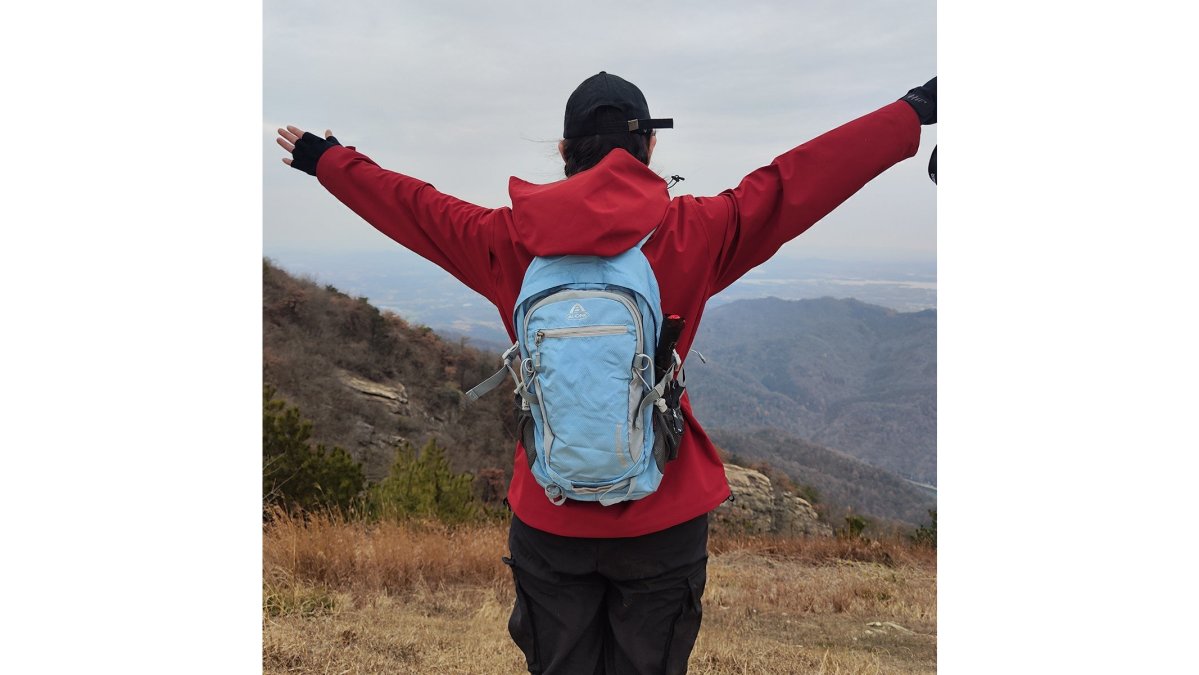
Table of Contents
- Reliable Gear for Your First Backpacking Trip
- The Big Three: Tent, Sleeping Bag, and Backpack
- Beginner Backpacking Checklist: Core Essentials
- Backpacking Gear Weight Limits and Base Weight
- Clothing and Footwear for Trail Readiness
- Gear Durability: What Lasts on the Trail
- Conclusion
- Frequently Asked Questions
Last Updated: October 4, 2026
Reliable Gear for Your First Backpacking Trip
Your first backpacking trip doesn't have to feel overwhelming. The right reliable gear for first backpacking trip 2026 transforms a potentially stressful experience into something genuinely enjoyable. At Roam Ready Outdoor, we empower seasoned explorers and aspiring adventurers alike with a comprehensive selection of high-quality, durable camping and sporting gear.

The challenge is finding the right gear for your actual needs. Too many beginners either overspend on unused features or underspend and replace everything after one trip. This guide covers the essentials that matter most and how to build a setup that lasts.
Key Takeaway
The "Big Three" components, tent, sleeping bag, and backpack, account for roughly 60% of your pack weight. Getting these right determines whether you're comfortable or miserable on the trail.
The Big Three: Tent, Sleeping Bag, and Backpack
These three items define your backpacking experience. A leaky tent ruins a trip, an inadequate sleeping bag leaves you shivering, and a poorly fitting pack causes shoulder pain by mile three. This is where you invest first.
Lightest Backpacking Tents That Won't Leak
A good tent needs two things: it must keep water out, and it must not weigh you down. The American Hiking Society's gear recommendations emphasize that a reliable shelter is non-negotiable for safety and comfort.
The Lightweight Camping Tent Double Layer features a double-wall design with external waterproof coefficient greater than 3000MM and floor rated 2000-3000MM. The outer tent sheds rain while the inner tent prevents condensation. Fiberglass poles keep weight down, and ventilating windows on both sides manage moisture in varying conditions.
The zipper top cover uses hook-and-loop connections to prevent leaks at the door, where most tents fail. Wind ropes stabilize the structure. At $86.49, it's a serious beginner tent, not a budget compromise.
Watch Out
A tent that leaks in moderate rain is a dealbreaker. Test your tent in your backyard before your first trip, set it up, spray it with a hose, and check for leaks around seams and zippers. This takes 20 minutes and prevents a ruined trip.
Sleep Systems: Bags and Pads
Your sleep system includes the sleeping bag and pad underneath. Both matter equally: a warm bag on cold ground won't keep you comfortable because the ground compresses insulation and draws heat away.
The Sleeping Bag Mummy uses cotton fill in a mummy structure that wraps snugly to trap warmth efficiently and reduces dead air space. Weight ranges from 1.4kg to 2.0kg, allowing you to match the bag to expected temperatures.
Cotton retains warmth even when damp, critical in humid conditions. The mummy structure means less fabric to heat. At $70.34, this bag suits beginners expecting 40-60°F temperatures.
A sleeping pad insulates you from the ground. For three-season backpacking, an R-value between 2-4 is typical. Many beginners cut corners here and regret it immediately.
Choosing the Right Pack Size
Pack size impacts comfort distance. A 20-liter pack suits day hikes, a 30-liter handles overnight trips. Anything larger means too much weight for a beginner.
The Large Capacity Portable Outdoor Hiking Backpack comes in 20-liter (day trips) and 30-liter (1-2 day trips) sizes. The 30-liter is right for your first overnight trip. The air cushion shoulder strap system distributes weight across shoulders and back, which matters more than capacity for comfort.

Pack fit trumps brand or price. Torso length must match your back, and the hip belt must sit on hip bones, not waist. At $61.53, this pack is affordable and solid for beginners.

Beginner Backpacking Checklist: Core Essentials
Beyond the Big Three, certain items are non-negotiable. This isn't about having everything, it's about having what keeps you safe and functional.
Water Filtration and Hydration
Water is heavy, five liters for two days adds ten pounds. A better approach: carry a filtration system and drink from natural sources.
The Portable Outdoor Personal Water Purifier removes 99.99% of bacteria and 99.9% of protozoa using hollow fiber ultrafiltration. Carbon fiber removes odor and chlorine without chemicals or batteries. It filters 2000 liters total at 1100 ml per minute.
At $38.84 and nearly weightless, it's one of the best weight-to-value ratios in backpacking. Carry a 2-3 liter hydration bladder and refill from natural sources, cutting water weight dramatically.
Pro Tip
Not all water sources are equally safe. Streams near established campsites are more likely to carry parasites. Higher elevation sources are generally safer. When in doubt, filter everything.
Cooking and Camp Kitchen
A hot meal transforms a cold night. You need a pot, a heat source, and rehydrating food.
The Outdoor Cooking Set is aluminum alloy, ultralight, and serves as both pot and bowl. At $41.35, it's the foundation of a functional camp kitchen. Pair with a lightweight camping stove for hot meals and drinks.

The two-piece design lets you use one as a pot and the other as a bowl or lid, less gear, more functionality.
Navigation, Lighting, and Safety Tools
Getting lost is common, and darkness comes fast in the mountains. A basic tool kit handles unexpected problems.
Carry a map and compass for navigation. GPS requires batteries; map and compass work forever and weigh almost nothing.
The Strong Light Flashlight uses CREE LED and 6000 mah lithium battery, reaching 300 meters with included charger. At $24.73, it's affordable backup lighting with no disposable batteries to pack out.
The High Hardness Outdoor Folding Knife has a 9.0cm blade (9cr14mov steel, 58HRC hardness) for camp tasks and emergencies. At $22.14, the folding design keeps it compact.
Large Capacity Portable Outdoor Hiking Backpack →
These three items, map/compass, light, and knife, form a basic safety kit. They don't weigh much, they're inexpensive, and they've prevented countless problems on the trail.
Backpacking Gear Weight Limits and Base Weight
Base weight is gear weight before food, water, and fuel. Experienced backpackers aim for 15-20 pounds; beginners at 25-30 pounds is acceptable.
Example: tent (3 lbs) + sleeping bag (2 lbs) + pack (2.5 lbs) + other gear (8 lbs) = 15.5 lbs base weight. Add three days of food (4.5 lbs) and two liters of water (4.4 lbs) for roughly 28 pounds total, manageable for beginners on moderate terrain.
Weight distribution matters more than total weight. The Big Three should account for 60% of base weight; everything else fills the remaining 40%.
The reliable gear for first backpacking trip 2026 approach means choosing items that serve multiple purposes: jacket as insulation and wind barrier, pot as bowl, pack cover as tarp. This keeps weight down and functionality up.
Best For
Beginners on their first trip should aim for 25-30 pounds total pack weight. This is achievable with quality gear and doesn't require ultralight obsession. Focus on comfort and safety first, weight optimization second.
Clothing and Footwear for Trail Readiness
Cotton kills, it retains moisture and loses insulation when wet. Synthetic fabrics and wool dry faster and maintain warmth when damp.
A layering system starts with a moisture-wicking base layer (synthetic or wool), adds an insulation layer (fleece or down), and finishes with a waterproof outer shell.
The Men's Fleece Jacket Camouflage Waterproof from Roam Ready Outdoor combines a fleece insulation layer with a waterproof outer shell.
Footwear makes or breaks a trip. Blisters end backpacking trips. The High-Top Hiking Male Martin Boots from Roam Ready Outdoor are designed for hiking and camping. High-top construction supports your ankle on uneven terrain.
The boots are available in multiple colors and sizes. At $44.99, they're positioned as serious hiking footwear, not casual sneakers. Pair them with moisture-wicking socks (wool or synthetic blend) and your feet stay functional for miles.
Gear Durability: What Lasts on the Trail
Quality gear costs more upfront but lasts for years. A tent that costs twice as much but lasts 50 trips instead of 10 is actually cheaper per use.
Durability comes from materials and construction. Double-stitched seams hold better than single stitches. Sealed seams prevent water from entering at the thread.
The Lightweight Camping Tent Double Layer uses fiberglass poles and Oxford cloth with waterproof PU coating. These materials withstand repeated setup and takedown.
Sleeping bags with quality zippers last longer than those with cheap zippers.
A pack with reinforced stress points and quality stitching survives thousands of miles.
The real durability advantage comes from maintenance. Clean your gear after each trip. Store your tent dry. Air out your sleeping bag. Replace zippers before they fail completely.
Conclusion
Your first backpacking trip is the foundation for everything that follows. The reliable gear for first backpacking trip 2026 doesn't mean buying the most expensive items, it means choosing items designed to keep you safe, comfortable, and coming back for more.
Start with the Big Three from Roam Ready Outdoor: the Lightweight Camping Tent Double Layer ($86.49) for shelter, the Sleeping Bag Mummy ($70.34) for warmth, and the Large Capacity Portable Outdoor Hiking Backpack ($61.53) for carrying.
The Ultra-Light Folding Trekking Poles ($26.41), Strong Light Flashlight ($24.73), and Folding Knife ($22.14) add another $73 and provide navigation, safety, and emergency capability. At roughly $461 total, you have a complete beginner setup that will last for years if maintained properly.

Get started with Roam Ready Outdoor and build confidence on the trail with gear engineered for durability and comfort on every adventure.
| Item | Price | Purpose | Weight Category |
|---|---|---|---|
| Lightweight Camping Tent Double Layer | $86.49 | Shelter | Big Three |
| Sleeping Bag Mummy | $70.34 | Warmth | Big Three |
| Large Capacity Hiking Backpack | $61.53 | Carry system | Big Three |
| Portable Water Purifier | $38.84 | Safe drinking water | Essential |
| Outdoor Cooking Set | $41.35 | Camp meals | Essential |
| Men's Fleece Jacket | $44.63 | Insulation/rain | Clothing |
| Hiking Boots | $44.99 | Footwear | Clothing |
| Trekking Poles | $26.41 | Stability | Optional |
| Flashlight | $24.73 | Lighting | Safety |
| Folding Knife | $22.14 | Multi-tool | Safety |
Frequently Asked Questions
What is the big three in backpacking gear?
The big three are your tent, sleeping bag, and backpack. These items account for the largest portion of your pack weight and have the biggest impact on comfort and safety. Choosing reliable versions of each determines whether your first trip feels manageable or exhausting. A lightweight tent like the Lightweight Camping Tent Double Layer ($86.49) with proper waterproofing, a quality mummy sleeping bag like the Sleeping Bag Mummy Outdoor Camping ($70.34), and a well-fitted pack like the Large Capacity Portable Outdoor Hiking Backpack ($61.53) form the foundation of any successful backpacking setup.
Is 40 pounds too heavy for a first-time backpacker?
Yes, 40 pounds is too heavy for most beginners. Target a base weight (gear without food and water) of 15-20 pounds, which allows a total pack weight of 20-25 pounds on a two-day trip. Going over 30 pounds puts strain on your knees, hips, and feet, especially on uneven terrain. Start ultralight by choosing compact, lightweight items: aluminum trekking poles ($26.41) instead of walking with your arms, a compact camp stove ($41.35), and a water purifier ($38.84) that filters on-the-go rather than carrying heavy bottled water.
What should I look for in a reliable tent for my first backpacking trip?
Look for a tent with a waterproof rating of at least 3000mm on the floor and 2000mm on the fly. The Lightweight Camping Tent Double Layer meets both standards and includes dual-sided zippers for ventilation, which prevents condensation buildup. Check that seams are sealed, poles are sturdy (fiberglass or aluminum), and the tent has a full rain fly. Ventilating windows and proper air flow reduce moisture, a major cause of mold and discomfort. Test the zippers before buying; they should slide smoothly without catching.
How do I know if backpacking gear will actually last, or if I'm just buying something that will fall apart?
Durable gear uses quality materials consistently. Check fabric weight (thicker Oxford cloth and PU coatings last longer), pole material (aluminum alloy or fiberglass over plastic), and construction details like reinforced seams and robust buckles. Roam Ready Outdoor's Lightweight Camping Tent uses 210T waterproof PU coating and fiberglass poles rated for repeated stress. The Sleeping Bag Mummy uses a mummy structure that contains heat. Read reviews from multi-trip users, not just first-timers. Gear that survives 10+ trips is genuinely durable.
What essential items should I include in my beginner backpacking checklist?
Start with the big three (tent, sleeping bag, backpack), then add water filtration (Portable Outdoor Personal Water Purifier Filter Straw System, $38.84), a camp stove and cookware (Outdoor Cooking Set Heat Cooker, $41.35), a headlamp (Strong light flashlight, $24.73), a multi-tool (High Hardness Outdoor Folding Knife, $22.14), appropriate clothing (Men's Fleece Jacket, $44.63), hiking boots (High-top Hiking Male Martin Boots, $44.99), trekking poles (Ultra-Light Folding Trekking Poles, $26.41), a first aid kit, map, and compass or GPS device. Don't skip water filtration or lighting, these prevent illness and dangerous situations.

