

Cart
0
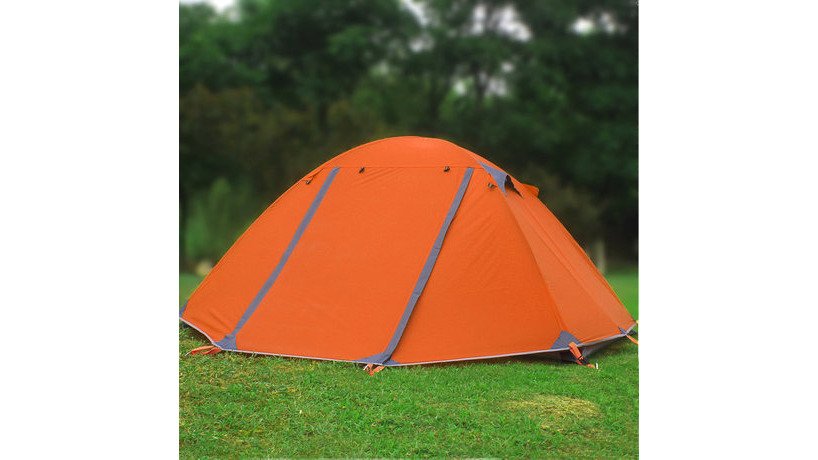
Table of Contents
- Identifying Mold and Mildew on Your Tent
- What You'll Need Before You Start
- Step-by-Step: How to Clean Mold Off Tent Fabric
- How to Remove Mildew from a Tent: Fabric-Specific Guidance
- Best Cleaner for Tent Mold: Comparing Your Options
- How to Get Mildew Smell Out of a Tent
- How to Prevent Mold on a Tent: Long-Term Care
- Common Mistakes to Avoid When Cleaning Tent Mold
- Keeping Your Tent Ready for Adventure
- Frequently Asked Questions
Last Updated: October 5, 2026
Identifying Mold and Mildew on Your Tent
Mold and mildew thrive in damp environments, making your tent a perfect home after wet camping trips or humid storage. Spotting the problem early prevents fabric damage and keeps your gear safe.
Spotting the Difference Between Mold and Mildew
Mildew appears as a thin, powdery coating, usually white, gray, or light green, on the surface of tent fabric.
Mold looks darker and thicker, appearing black, green, or brown, and grows deeper into the fibers.
Both thrive in moisture and darkness, but mildew is surface-level while mold penetrates deeper, so mold requires more aggressive treatment.
Signs of Mold Damage and Permanent Staining
Early-stage mold stains wash away easily, but mold left for weeks or months causes permanent discoloration as fibers break down.
Look for these warning signs:
- Stains that don't come out after gentle cleaning
- Soft or weakened fabric in affected areas
- Holes or tears where mold has eaten through
- Lingering musty smell even after cleaning
If the damage is severe, replacement may be your only option. But most cases caught early respond well to proper cleaning.
What You'll Need Before You Start
Gather your supplies first to ensure thorough cleaning without delays.
Safety Equipment and Protective Gear
Mold spores can irritate your lungs and skin. Protect yourself properly:
- Gloves: Use nitrile or latex gloves to avoid direct contact
- Mask: A dust mask or N95 respirator prevents inhaling spores
- Eye protection: Goggles keep spores out of your eyes
- Long sleeves: Cover your arms during scrubbing
Work outdoors whenever possible to reduce spore concentration. Indoors, open windows and use a fan.
Cleaning Solutions: Vinegar, Salt, Lemon, and Alternatives
Cleaning solutions work differently depending on your tent fabric type.
Household options work well:
- Distilled white vinegar (diluted with water)
- Salt mixed with lemon juice
- Baking soda paste
- Mild dish soap and water
- Hydrogen peroxide (diluted)
- Diluted bleach (for white fabrics only)
Vinegar and water is the gentlest option, killing mold without damaging most fabrics. Bleach works fastest but can weaken or discolor certain materials.
Step-by-Step: How to Clean Mold Off Tent Fabric
Follow these steps to remove mold effectively.
Step 1: Prepare Your Tent and Cleaning Area
Set up outdoors in a well-ventilated space, laying the tent flat or hanging it for full access.
Check the entire tent, mold hides in seams, corners, and under the floor.
Brush away loose mold with a soft brush to remove surface spores before applying cleaner, working gently to avoid spreading spores.
Step 2: Choose Your Cleaning Solution
Pick the right solution for your fabric, the wrong choice damages waterproofing or color. Vinegar works best on canvas and cotton; diluted bleach or hydrogen peroxide is safer for polyester and nylon. Test any solution on a hidden area first for coated fabrics.
Mix your solution according to these ratios:
- Vinegar: 1 part vinegar to 1 part water
- Bleach: 1 part bleach to 10 parts water
- Hydrogen peroxide: Use 3% solution straight or diluted 1:1
- Salt and lemon: Mix salt and lemon juice into a paste
Pour your solution into a spray bottle for easy application.
Step 3: Apply Cleaner to Affected Areas
Spray the solution directly onto moldy spots and let it sit 10-15 minutes to penetrate the fibers. Keep the fabric damp, not dripping, excess moisture creates more mold. For stubborn mold, apply twice, waiting between applications.
Step 4: Gently Scrub Moldy Areas
Scrub gently with a soft brush or washrag using circular motions. Aggressive scrubbing damages fibers and weakens waterproofing, so use light pressure. Pay special attention to seams and creases, use an old toothbrush for corners, and rinse your brush frequently to avoid spreading spores.
Step 5: Rinse Thoroughly and Air Dry
Rinse with clean water using a spray bottle or low-pressure hose until all residue is gone, then squeeze out excess water gently without wringing.
Hang the tent in direct sunlight, UV rays kill remaining spores and prevent regrowth. Drying takes 4-6 hours in warm, dry conditions, longer in humidity. Ensure the tent is completely dry before storing, since even slight moisture invites mold back.
How to Remove Mildew from a Tent: Fabric-Specific Guidance
Different fabrics need different approaches. Using the wrong method can damage your tent permanently.
Canvas and Cotton Tents
Canvas is tough and forgiving, handling aggressive cleaning better than modern fabrics.
Mix equal parts vinegar and water, apply generously, and let it soak 20 minutes.
Salt and lemon juice also work well, gentler than bleach: make a paste, apply to stains, scrub gently, and rinse thoroughly.
Sun-dry canvas for a full day when possible, since UV rays penetrate the thick fabric and kill deep mold.
Polyester and Nylon Tents
These modern fabrics are delicate, so avoid harsh chemicals that break down the material.
Bleach works but risks discoloration, dilute heavily (1 part to 10 parts water) and test on a hidden area first.
Never scrub hard; polyester and nylon tear easily when wet, so use light pressure and a soft brush.
Coated and Waterproof Fabrics
Coated fabrics have protective treatments that harsh cleaners can strip.
Vinegar and water is safest, cleaning effectively without damaging the coating. Test any solution on a small hidden area first, watching for color or texture changes.
Avoid bleach, which weakens the coating and reduces waterproofing. After cleaning, inspect the coating, if it looks dull or damaged, reapply treatment.
Double-layer Aluminum Pole Waterproof Tent →
Best Cleaner for Tent Mold: Comparing Your Options
Choose a cleaning method based on your fabric type and mold severity.
| Cleaner | Best For | Strength | Weakness |
|---|---|---|---|
| Distilled white vinegar | All fabrics | Gentle, safe, effective | Slower on heavy mold |
| Salt and lemon | Canvas, cotton | Natural, pleasant smell | Labor-intensive paste |
| Hydrogen peroxide | Polyester, nylon | Fast-acting, fabric-safe | More expensive |
| Diluted bleach | White fabrics only | Very effective, fast | Damages colors, weakens fibers |
| Baking soda | Light mildew | Gentle, deodorizing | Less effective on heavy mold |
Distilled White Vinegar
Vinegar is the most versatile option, working on every tent fabric type. Its acidity kills mold spores without toxic fumes.
Apply generously and let it soak, the longer it sits, the better it works.
At a few dollars a gallon, vinegar is ideal for large affected areas.
Salt, Lemon, and Baking Soda
These household ingredients work together: salt draws out moisture, lemon juice has natural antimicrobial properties, and baking soda absorbs odors.
Mix salt and lemon juice into a thick paste, apply to stains, let sit 30 minutes, scrub gently, and rinse thoroughly.
Baking soda alone handles light mildew: sprinkle on, let sit overnight, then brush away and vacuum up.
Diluted Bleach and Hydrogen Peroxide
Bleach kills mold fast but only belongs on white fabrics or canvas you don't mind discoloring.
Hydrogen peroxide is safer, breaking down into water and oxygen with no toxic residue (pubmed.ncbi.nlm.nih.gov). Use 3% straight from the bottle, apply generously, let it bubble for 10 minutes, and rinse well.
How to Get Mildew Smell Out of a Tent
The musty smell lingers even after mold is gone; proper drying and ventilation eliminate it.
Eliminating Odor After Cleaning
Sunlight is your best tool, UV rays kill the remaining spores that cause smell, so place your tent in direct sun for a full day.
Baking soda absorbs odors: sprinkle it inside after cleaning, leave 24 hours, and vacuum thoroughly before storing.
Don't seal your tent until the smell is completely gone, since trapped moisture and smell cause mold to return.
Sun-Drying and Ventilation Techniques
Hang your tent in direct sunlight with all doors and vents open so air flows through completely. A gentle breeze speeds drying, so set up near a window or fan if indoors.
Leave it up at least 24 hours after cleaning, longer in humid climates.
How to Prevent Mold on a Tent: Long-Term Care
Prevention is easier than cleaning. Proper storage and maintenance keep your tent mold-free for years.
Drying and Storage Best Practices
Never store a wet tent, always dry it completely first. After camping, set it up at home and air dry for at least 24 hours, even if it didn't rain.
Store in a cool, dry place; damp basements and attics are risky, while a bedroom closet or garage is better.
Check monthly during storage and dry immediately if you notice any smell or dampness.
Protecting Waterproofing and Reapplying Treatments
Waterproof coatings break down over time, so reapply every 2-3 years for heavy use, annual treatment is ideal.
Clean the tent first, since dirt and mold prevent proper bonding.
Let it dry completely (usually 24 hours) before storing. A strong coating prevents moisture from penetrating, stopping mold and mildew before they start.
At Roam Ready Outdoor, we recommend checking your tent's waterproofing before each camping season. Our Double-layer Aluminum Pole Waterproof Tent features a 2000-3000mm waterproof factor on both the external and bottom tent, which significantly reduces moisture absorption and mold risk.

Common Mistakes to Avoid When Cleaning Tent Mold
Learning from others' errors saves time and prevents damage.
Don't use hot water. Hot water can damage fabric and set stains.
Don't scrub aggressively. Harsh scrubbing tears fibers and weakens waterproofing.
Don't ignore seams and corners. Mold loves tight spaces.
Don't store without ventilation. Sealed storage bags trap moisture.
Don't delay cleaning. Fresh mold is easier to remove.
Don't skip the final rinse. Cleaner residue attracts moisture. Thorough rinsing prevents regrowth.
Keeping Your Tent Ready for Adventure
Mold doesn't have to ruin your gear. Clean promptly after wet trips, dry thoroughly before storage, and check periodically during the off-season. That effort extends your tent's lifespan and protects your investment.
At Roam Ready Outdoor, we understand how important reliable gear is to your outdoor success. Our selection of durable tents, including the Lightweight Camping Tent Double Layer with advanced waterproofing and ventilation features, is designed to withstand diverse conditions and reduce moisture buildup. Pair quality equipment with proper maintenance, and you'll enjoy years of comfortable camping. Add your tent to your cart today and start your next adventure with confidence.

Frequently Asked Questions
Can I just spray vinegar on mold and leave it?
No. While distilled white vinegar is effective against mold spores, simply spraying it and leaving won't fully remove the mold. You need to let the vinegar solution sit for 10-15 minutes, then gently scrub the affected area with a soft cloth or brush to lift away the moldy growth. After scrubbing, rinse thoroughly with clean water and air dry completely in sunlight, which kills remaining spores and prevents regrowth.
What is the best cleaner for tent mold?
The best cleaner depends on your tent fabric and mold severity. Distilled white vinegar works well for canvas and polyester tents without damaging waterproofing. For stubborn mold, a salt and lemon paste or diluted hydrogen peroxide (1:1 with water) is effective. Avoid bleach on synthetic fabrics as it can weaken fibers. Always test any solution on a hidden area first. For high-quality tents, vinegar is often a safe choice to preserve the waterproof coating.
Can you use bleach to remove mold from tent fabric?
Bleach can remove mold but carries risks. It may damage synthetic fabrics, fade colors, and weaken waterproof coatings on polyester and nylon tents. If you use bleach, dilute it heavily (1 part bleach to 10 parts water), test on an inconspicuous area first, and rinse extremely thoroughly. For most tent materials, gentler options like vinegar or hydrogen peroxide are safer and equally effective at killing mold spores without compromising tent integrity.
How do you dry a tent after cleaning mold?
After rinsing, hang your tent in direct sunlight with good air circulation. Sunlight naturally kills mold spores and eliminates musty odors. If possible, set up the tent fully so air flows through both the interior and exterior. For stubborn dampness, place the tent in a warm, dry location with fans running. Never store a damp tent, as moisture creates ideal conditions for mold regrowth. Ensure the tent is completely dry before packing it away, ideally leaving it out for 24-48 hours depending on humidity and weather.

