

Cart
0
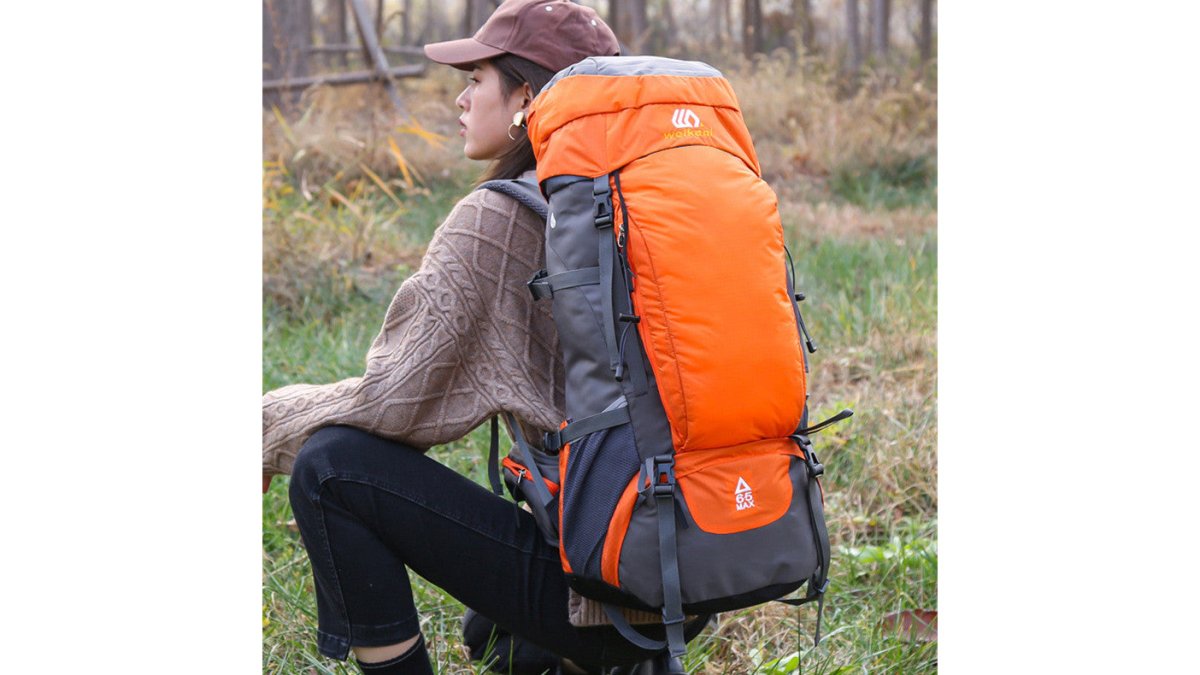
Table of Contents
- Essential Weekend Hiking Gear for Urban Adventurers: What You Actually Need
- The Best Hiking Backpack for Day Hikes and Weekend Trips
- What to Wear Hiking: Layering for Changing Conditions
- The Ten Essentials for Hiking Every Urban Adventurer Should Carry
- Your Weekend Hiking Packing List: Day Hikes vs. Overnight Trips
- Gear for Urban-to-Trail Transitions: Transit-Friendly and Compact Options
- Durability and Budget: Choosing Gear That Lasts
- Frequently Asked Questions
Last Updated: October 12, 2026
Essential Weekend Hiking Gear for Urban Adventurers: What You Actually Need
If you live in a city and think weekend hiking requires a complete gear overhaul, you're overthinking it. The truth is simpler: most urban adventurers already own 60% of what they need.
The real secret is starting with essentials that earn their place in your pack through durability and versatility. Weekend hiking gear for urban adventurers doesn't need to be complicated. It needs to be practical, reliable, and actually fit into your life.
The difference between a miserable hike and a memorable one often comes down to one overlooked detail: a proper backpack that doesn't wreck your shoulders, or pants that actually dry when you brush through wet grass. These aren't luxury upgrades.
The Best Hiking Backpack for Day Hikes and Weekend Trips
Your backpack is the one piece of gear that touches your body for hours, so getting it wrong creates real pain.
The best hiking backpack for day hikes balances weight distribution with accessibility. Look for padded hip belts that actually transfer load to your hips instead of your shoulders, and compartments designed so you can grab water or a snack without unpacking everything.

Roam Ready Outdoor's Outdoor Sports Backpack for Hiking delivers exactly this balance. Built from waterproof nylon at $43.64, it's designed for both men and women with a clean, functional style.
When you're choosing between packs, ignore the marketing language about "advanced suspension systems." What matters: Does the hip belt actually sit on your hips? Can you access the main compartment without removing everything? Does it compress down when you're not fully loaded?
What to Wear Hiking: Layering for Changing Conditions
The biggest mistake urban hikers make is wearing cotton. Cotton holds moisture and loses all insulation value when wet. That's not opinion; that's physics.
Layering isn't about wearing three jackets. It's about wearing pieces that work together. Start with a moisture-wicking base layer (synthetic or merino), add an insulating mid-layer if it's cool, then top with a weather-resistant shell.
Roam Ready Outdoor's Outdoor Quick Dry Hiking Pants are engineered for exactly this. At $25.86, they offer waterproof, anti-ultraviolet, and breathable construction with quick-drying fabric, the core functions you need.
For your upper body, a hooded jacket handles rain and wind without the bulk of traditional rain gear. The hood matters, it keeps water off your face and lets you see the trail.
The rule: if you can see weather coming, you should be able to adjust your layers in under 60 seconds. Complicated systems fail on the trail.
The Ten Essentials for Hiking Every Urban Adventurer Should Carry
The Ten Essentials aren't a marketing list, they're the items that separate a bad day from a crisis. Every urban hiker should carry these, whether you're doing a two-hour loop or an overnight trip.
Navigation and Emergency Tools
Navigation tools keep you from wandering lost when trails fork unexpectedly. A physical map and compass work when cell service dies, which happens more often than you'd expect near the city. Download offline maps on your phone as backup, but don't rely on them alone. A whistle and headlamp handle emergencies, the headlamp serves double duty for early starts and late returns.
Roam Ready Outdoor's Bright Waterproof LED Headlamp uses Osram lamp beads with 35W output and a built-in rechargeable lithium battery. At $18.61, it's compact enough to clip to your pack but bright enough for real trail navigation. The waterproof switch and adjustable head angle mean it works in rain and stays put while you're moving.

Water, Food, and First-Aid Supplies
Dehydration kills performance faster than anything else. Carry at least two liters of capacity, either a hydration bladder or bottles. A water purifier lets you refill from streams, extending your range without carrying everything uphill.
Roam Ready Outdoor's Portable Outdoor Personal Water Purifier Filter Straw System removes 99.99% of bacteria and 99.9% of protozoa using ultrafiltration membrane technology. At $38.84, it filters up to 2,000 liters of water at flow rates up to 1,100 ml per minute.
Food is fuel. Bring twice what you think you'll eat. Trail mix, energy bars, jerky, and fruit all work. The goal is calories and carbohydrates, not gourmet meals. A basic first-aid kit handles blisters, cuts, and minor sprains. Most injuries on weekend hikes are preventable with tape and blister treatment.
| Essential Item | Purpose | Urban Hikers' Reality |
|---|---|---|
| Navigation (map, compass) | Stay on trail when it forks | Phone dies; map never does |
| Headlamp | See in low light | Early starts, late returns |
| Water purifier | Extend water range | Refill from streams safely |
| First-aid supplies | Treat minor injuries | Blisters end hikes faster than altitude |
| Food/snacks | Maintain energy | Hunger kills decision-making |
| Emergency whistle | Signal for help | Works when your voice doesn't |
Your Weekend Hiking Packing List: Day Hikes vs. Overnight Trips
The difference between a day hike pack and an overnight pack is sleep gear, extra food, and redundancy. Everything else stays the same.
Day Hike Packing Checklist
A day hike pack should weigh 15 to 20 pounds fully loaded. Anything heavier and you're carrying unnecessary weight uphill.
- Backpack (20-30 liters)
- Water and purifier (2+ liters capacity)
- Food and snacks (double what you think)
- Navigation (map, compass, offline maps)
- Headlamp with extra batteries
- First-aid kit with blister treatment
- Weather-appropriate layers and rain jacket
- Sunscreen and insect repellent
- Whistle and emergency contact info
- Trekking poles (optional but recommended)
Trekking poles reduce impact on knees and ankles, especially on descents (A Review of Biomechanical and Physiological Effects of Using Poles in Sports). Roam Ready Outdoor's Family Kids Three Section Adjustable Trekking Poles are aluminum alloy at $29.07, adjustable from 50 to 135 centimeters. They work for the whole family and pack down for urban transit.
Outdoor Sports Backpack For Hiking →

Overnight Weekend Trip Packing Checklist
An overnight pack adds 10 to 15 pounds. The key is choosing lightweight versions of sleep gear.
- Everything from day hike list
- Sleeping bag (appropriate for season)
- Sleeping pad or hammock
- Tent or shelter
- Extra food (dinner, breakfast, snacks)
- Cooking gear (lightweight stove, pot, utensils)
- Water treatment (tablets or filter)
- Extra layers and socks
- Toiletries and medications
- Repair kit (tape, cordage, patches)
The sleeping bag is where weight adds up. A three-season bag rated for 20°F handles most weekend trips. Ultralight options exist but cost significantly more.
Gear for Urban-to-Trail Transitions: Transit-Friendly and Compact Options
The real constraint for city hikers isn't the trail, it's getting there. Your gear needs to work on the subway, fit in a car trunk, and transition from urban clothes to hiking clothes without a full wardrobe change.
Choose colors that work in both contexts. Black, navy, and gray look normal on city streets and disappear on trails. Bright orange or neon works for visibility on the trail but looks out of place at a coffee shop.
Transit-friendly gear means compact and packable. Avoid oversized jackets that take up half your bag. Choose jackets that compress into their own pockets. Trekking poles should telescope down to 50 centimeters or less for backpack storage.
The transition from urban to trail happens in minutes, not hours. Wear your hiking pants on the commute if they look normal. Keep your hiking shoes in your pack and change at the trailhead.
Durability and Budget: Choosing Gear That Lasts
The most expensive gear isn't always the best gear. The best gear is the piece that works for five years and then still works. That's durability.
Waterproof nylon, aluminum alloy, and synthetic fabrics outlast cheaper alternatives.
When you're choosing between options, ask: What fails first on this item? For backpacks, it's seams and zippers.
Roam Ready Outdoor's products are built around this principle.
Budget gear exists for a reason: it's affordable. But budget gear often costs more over time because you replace it constantly.
The transition from urban life to weekend hiking doesn't require a complete equipment overhaul. Start with a solid backpack, proper layers, and the Ten Essentials.
At Roam Ready Outdoor, we've built our entire selection around this philosophy: high-quality, durable gear that handles diverse conditions without unnecessary complexity.
Frequently Asked Questions
What gear do you need for a weekend hike?
The essentials depend on trip length and conditions, but every weekend hike requires a backpack (20-30L for day hikes, 40-50L for overnight), water purification or bottles, navigation tools, first-aid supplies, weather-appropriate clothing layers, food and snacks, and a headlamp. Start with the Ten Essentials for hiking, then add items based on trail difficulty, distance, and whether you're camping overnight. Urban adventurers often overlook emergency communication and navigation tools, especially on unfamiliar local trails where cell service may be unreliable.
What are the Ten Essentials for hiking?
The Ten Essentials are: navigation (map, compass, GPS), sun protection (sunscreen, hat), insulation (extra clothing layers), illumination (headlamp or flashlight), first-aid supplies, fire-starting tools, repair kit and tools, nutrition (extra food beyond meals), hydration (water and purification method), and emergency shelter. These items address the most common hiking emergencies and discomforts. Urban hikers often underestimate weather changes on local trails, making insulation and weather protection critical even for short weekend trips.
How do I choose the best hiking backpack for day hikes?
For day hikes, choose a backpack with 20-30L capacity, large enough for water, snacks, and an extra layer, but not so bulky it discourages you from going out. Look for waterproof or water-resistant materials, padded shoulder straps, and a hip belt to distribute weight evenly. The Outdoor Sports Backpack for Hiking ($43.64) offers waterproof nylon construction in multiple colors and fits this capacity range. The pack should sit close to your back without shifting when you move, and straps should not dig into your shoulders.
What should I wear hiking when weather may change?
Use a three-layer system: a moisture-wicking base layer (synthetic or merino wool), an insulating mid-layer (fleece or down), and a waterproof outer layer (rain jacket). Start with fewer layers and add as conditions cool or weather deteriorates. Quick-dry hiking pants like the Outdoor Quick Dry Hiking Pants ($25.86) prevent moisture buildup and dry rapidly if wet. Bring an extra pair of socks and a hat. Urban adventurers should pack layers even for short weekend hikes, as mountain and forest conditions change faster than city weather.
How much water should I bring on a weekend hike?
Carry at least 2 liters (about 0.5 gallons) for a half-day hike, 3 liters for a full day, and more for hot weather or high-elevation trails. If you're hiking near water sources, a water purifier like the Portable Outdoor Personal Water Purifier Filter Straw ($38.84) removes 99.99% of bacteria and 99.9% of protozoa, allowing you to refill along the trail. Never rely solely on finding water; always start with a full bottle and know where reliable water sources are on your route.
What safety items should every hiker carry?
Carry a first-aid kit (blister treatment, bandages, pain relievers, antiseptic), a headlamp or flashlight (the Bright Waterproof LED Headlamp at $18.61 works for emergencies or unexpected darkness), a whistle, a multi-tool, and navigation tools. Include emergency communication (fully charged phone, even if service is unreliable). For weekend trips, also pack emergency shelter (lightweight bivy or emergency blanket) and fire-starting tools. Urban hikers on local trails often skip these items, but weather delays and minor injuries happen on even short hikes.
How can I pack light without leaving essential gear behind?
Prioritize the Ten Essentials first, then evaluate every other item: does it serve multiple purposes? Can it be lighter? For weekend trips, choose ultralight versions of key gear (trekking poles like the Family Kids Three Section Adjustable Trekking Poles at $29.07 reduce knee strain and weigh little), skip items you won't use, and borrow specialized gear for your first trips. Wear your bulkiest items (jacket, boots) rather than packing them. Urban adventurers benefit from compact, multipurpose tools and clothing that transitions from city to trail.
What should I pack for a day hike near the city?
Pack water (2-3 liters), snacks (nuts, energy bars, fruit), a small first-aid kit, sunscreen, a map or GPS device, a headlamp, an extra layer, and a waterproof backpack like the Outdoor Sports Backpack for Hiking. Include a phone fully charged and a whistle. Skip the tent and sleeping bag, but don't skip navigation tools or emergency items, urban trails can be confusing, and weather changes quickly. Start early to finish before dark, and tell someone your route and expected return time.

