

Cart
0
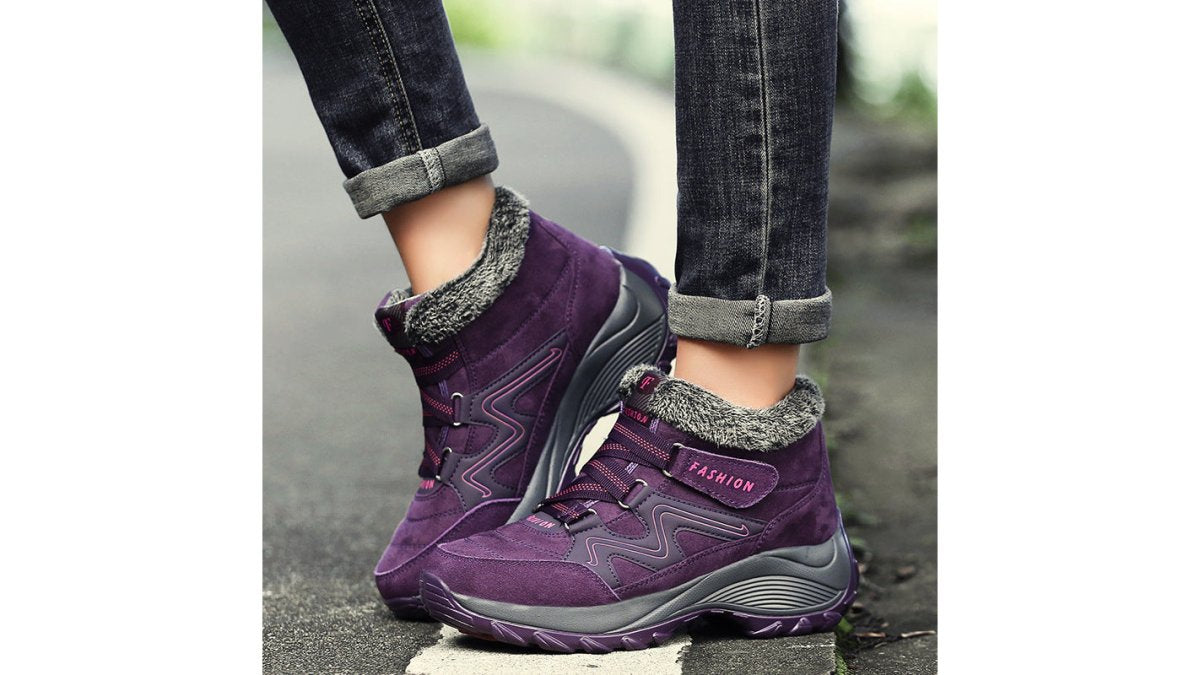
Table of Contents
- Why Professional Hikers Seek Teton Gear Alternatives
- Best Backpacking Gear Brands for Durability and Performance
- Lightweight Backpacking Gear: Weight vs. Durability Trade-offs
- Durable Backpacking Tents: Shelter Alternatives to Teton
- Best Backpacking Sleeping Bags for Extended Trail Use
- Footwear Options: Professional-Grade Hiking Shoes for Load Carrying
- Making Your Teton Gear Alternative Decision
- Frequently Asked Questions
Last Updated: October 14, 2026
Why Professional Hikers Seek Teton Gear Alternatives
Professional hikers and backcountry specialists often face a challenge: finding gear that balances durability, weight, and performance without premium price tags. While Teton gear has earned respect in the hiking community, many experienced trail users explore teton gear alternatives to match specific use cases, load-carrying demands, or budget constraints. At Roam Ready Outdoor, we understand that choosing the right gear means evaluating multiple options across categories like footwear.
The decision to seek alternatives isn't about dismissing quality, it's about matching gear to your exact needs. A thru-hiker carrying 40 pounds for months has different requirements than a weekend backpacker. A mountaineer navigating extreme conditions needs something fundamentally different from a day-hiker on established trails. This guide walks through the best backpacking gear brands and specific alternatives that professional hikers actually use, covering everything from load-carrying capacity to weather protection, particularly focusing on footwear.
Pro Tip
Professional hikers often test gear in the field for months before committing. Start with borrowed or rental equipment before investing in expensive ultralight systems, what works for one person's body and style may not work for yours.
Best Backpacking Gear Brands for Durability and Performance
When seeking teton gear alternatives, professional hikers prioritize brands known for trail-tested durability and field performance over marketing claims. The most reliable backpacking gear brands share common traits: transparent construction details, proven longevity under extreme conditions, and active communities of experienced users who share real-world feedback.
What separates these brands from generic outdoor retailers is their commitment to specific performance metrics. They publish weight specs, load-carrying capacity, and weather ratings. They iterate designs based on field feedback rather than seasonal trends. When professional hikers discuss gear in online forums, these names appear repeatedly because the equipment has been tested under conditions most casual users never encounter. Roam Ready Outdoor focuses on high-quality, durable footwear designed for comfort and performance.
The trade-off is cost. Premium backpacking gear brands typically cost more upfront than mass-market alternatives. However, a pack that lasts 15 years of regular use costs significantly less per year than replacing cheaper gear every two seasons. This is where understanding total cost of ownership matters for professional users making long-term decisions.
| Brand | Specialty | Best For | Typical Price Range |
|---|---|---|---|
| Big Agnes | Tents, sleeping bags | Mountaineers, thru-hikers | $200-$500+ |
| MSR | Stoves, cookware, shelter | Backcountry cooking | $80-$400 |
| Osprey | Backpacks, daypacks | Load-carrying systems | $150-$350 |
| Arc'teryx | Packs, climbing gear | Technical alpinism | $250-$600+ |
| Roam Ready Outdoor | Hiking shoes, footwear | Professional-grade traction | $38-$59 |
Key Takeaway
Professional hikers choose brands based on specific performance needs, not brand loyalty. Evaluate gear by its intended use case: mountaineering, thru-hiking, day trips, or mixed conditions.
Lightweight Backpacking Gear: Weight vs. Durability Trade-offs
One of the most misunderstood aspects of seeking teton gear alternatives involves the weight-versus-durability equation. Many newer hikers assume ultralight gear is always better. Professional users know better: ultralight systems require discipline, skill, and specific conditions to justify their trade-offs.

Ultralight backpacking typically targets base weights under 15 pounds, everything except food and water. Achieving this requires sacrifices.
These compromises work perfectly for experienced hikers on established trails in mild seasons. They fail quickly when conditions turn harsh, terrain becomes technical, or the user lacks experience reading weather. A professional mountaineer might use ultralight gear for a summer trail but switch to heavier, more strong systems for winter or alpine climbing.
When evaluating lightweight backpacking gear as an alternative to Teton options, ask yourself these questions: What terrain will you actually hike? What season? How many consecutive days? How much experience do you have reading weather and adjusting plans? The answers determine whether ultralight makes sense or whether standard-weight, more durable gear is the smarter choice.
Durable Backpacking Tents: Shelter Alternatives to Teton
Weight matters less for shelter than for other gear categories because you only carry it once per trip. A tent that weighs 4 pounds but lasts 10 years is more practical than one weighing 2.5 pounds that fails after three seasons. This is where durable backpacking tents from established brands justify their cost: the engineering, materials, and manufacturing processes create gear that survives years of field use.
Watch Out
Never buy a tent based on weight alone. A 2-pound tent that leaks is worthless. Test seam quality, zipper durability, and pole design before committing. If possible, borrow a tent for a trip before purchasing.
Best Backpacking Sleeping Bags for Extended Trail Use
Construction quality separates professional-grade sleeping bags from casual options. Look for baffled construction that prevents insulation from shifting, differential cut that matches the bag's thermal needs (thicker insulation on bottom where compression reduces loft), and quality zippers that function smoothly in cold conditions. Big Agnes, Western Mountaineering, and similar brands focus on these details because they know their customers will use bags in demanding conditions for years.
Footwear Options: Professional-Grade Hiking Shoes for Load Carrying
Your feet carry everything on a backpacking trip. When you're supporting 40-50 pounds for 8-10 hours daily, footwear becomes the single most critical gear choice. Professional-grade hiking shoes for load carrying differ fundamentally from casual day-hike shoes in structure, materials, and support systems.
Load-carrying hiking shoes require specific features: a stiffer midsole that resists flexing under heavy weight, reinforced heel cups that prevent rolling, and adequate arch support that maintains position throughout the day. Lighter shoes work fine for day trips, but they fail under sustained load. Your feet will hurt, your ankles will fatigue, and injury becomes likely.
Roam Ready Outdoor offers several professional-grade options designed for this exact purpose. The Outdoor Climbing Boots Training Shoes at $58.41 feature Oxford cloth construction with double-sided velvet lining, providing durability and warmth for extended backcountry use. The Men's Mountaineering Plus Size Hiking Boots at $46.98 include suede uppers, non-slip rubber soles, and middle-top height that supports ankles under load across multiple seasons.


For ultralight hikers or those prioritizing flexibility, the Unisex Mesh Hiking Boots at $41.98 deliver shock absorption and wear-resistant rubber soles in a lower-profile design. Women-specific options like the Hiking Shoes For Women Real Leather at $38.24 provide waterproof protection with advanced traction rubber for slip-free movement on rough ground.
Hiking Shoes For Women Real Leather →
The critical mistake many hikers make is buying shoes based on appearance or brand recognition rather than fit and load-carrying capability. Professional users try shoes with weighted packs before committing. They prioritize shoes that feel comfortable after 5 miles, not on the first try. They test footwear on varied terrain, rocky, muddy, steep, to verify ankle support and traction hold.
Breaking in new hiking shoes takes time. Most professionals dedicate 3-4 shorter hikes to the process before attempting a multi-day trip. This prevents blisters and allows your feet to adapt to the boot's specific support pattern. Socks matter equally: merino wool or synthetic blends that wick moisture and prevent blisters outperform cotton significantly.
Pro Tip
Professional hikers often carry two pairs of shoes on extended trips: heavier boots for load-carrying sections and lighter shoes for camp and recovery days. This reduces foot fatigue and extends footwear lifespan by distributing wear.
Making Your Teton Gear Alternative Decision
Choosing teton gear alternatives requires honest assessment of your actual needs rather than chasing the lightest or most expensive option. Professional hikers follow a systematic evaluation process: define your typical trip conditions, identify the specific performance requirements those conditions demand, research gear that meets those requirements, and then prioritize durability and field-tested performance over marketing claims.
Start with one category at a time. Many new hikers buy complete gear systems at once and discover mismatches only during their first trip. Instead, invest in quality footwear first, your feet are the foundation. This staged approach lets you learn what works for your body and style before committing to expensive ultralight systems or specialized gear.
Connect with experienced hikers in your region or on your planned routes. Online communities dedicated to specific trails or regions provide invaluable real-world feedback about gear performance in actual conditions.
Professional hikers also recognize that gear preferences evolve. Your first backpack might be perfect for two-day trips but inadequate for week-long expeditions. Ultralight gear that seemed essential at 25 might feel risky at 45 with different fitness levels and risk tolerance. Plan to upgrade and adapt your system as your experience grows and your priorities shift.
Choosing the best teton gear alternatives means matching specific equipment to your actual conditions, load-carrying demands, and skill level. Roam Ready Outdoor provides professional-grade hiking shoes and footwear options designed for extended backcountry use, including the Outdoor Climbing Boots Training Shoes and Men's Mountaineering Plus Size Hiking Boots engineered to withstand sustained load-carrying in diverse environments. Invest in durability and field-tested performance, prioritize comfort and support, and build your system gradually as your experience grows. Start with quality footwear that keeps you safe and comfortable on every trail.
American Hiking Society trail safety guidelines
Leave No Trace Center for Outdoor Ethics best practices
American Alpine Club mountaineering gear standards
Frequently Asked Questions
What brands are similar to Teton Sports for hiking and camping gear?
Several brands compete directly with Teton Sports in the professional hiking space. Each brand prioritizes different aspects: durability, weight savings, or specialized features for backcountry use. Your choice depends on trip conditions, pack capacity needs, and whether you prioritize ultralight performance or maximum weather protection.
Is Teton Sports gear durable enough for professional hikers?
Teton Sports gear meets reliability standards for most hiking scenarios, but professional hikers often find specific limitations. Their three-season tents perform well in moderate conditions, but backcountry expeditions in severe weather or high-altitude mountaineering demand gear with proven field-tested durability records. Professional hikers conducting multi-week thru-hikes or technical mountaineering typically choose alternatives with track records in extreme conditions. Durability depends on use case: weekend camping differs from month-long expeditions or alpine climbing.
What should professional hikers prioritize when choosing a Teton gear alternative?
Professional hikers should evaluate footwear for extended wear with heavy packs. Check field-tested durability claims and review performance in your specific environment. Consider total cost of ownership, not just initial price. Prioritize reliability over trendy features, gear failure on remote trails creates safety risks.
How do lightweight backpacking gear brands compare in durability?
Ultralight backpacking gear brands reduce weight through material choices and design efficiency, not by cutting durability. Trade-offs exist: ultralight gear may have thinner fabrics requiring careful handling, and ultralight sleeping pads sacrifice cushioning for weight savings. Professional hikers accept these compromises for multi-week trips where pack weight directly impacts performance. For weekend trips, standard-weight gear often provides better value and durability without the ultralight premium.
What makes a backpacking tent suitable for professional hikers?
Professional-grade backpacking gear prioritizes durable construction with proven performance. Field-tested durability matters more than marketing claims. Weight becomes critical on long-distance trails but shouldn't compromise structural integrity or weather protection.

