

Cart
0
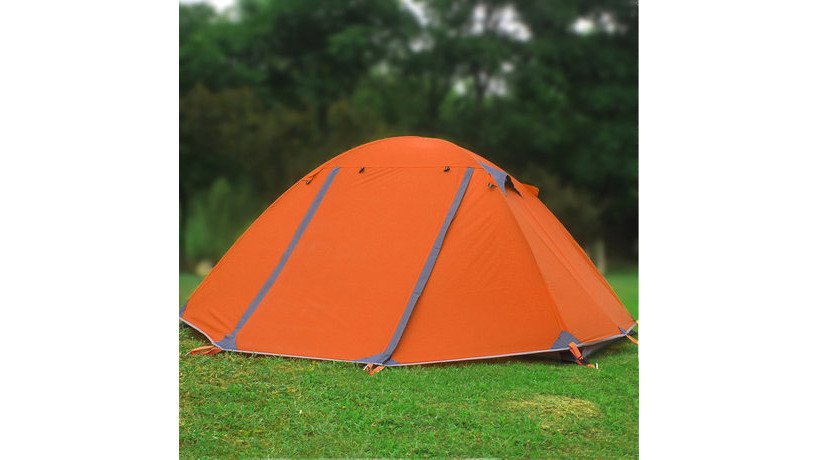
Table of Contents
- What a Tent Footprint Does for Your Shelter
- Protection Against Abrasion and Punctures
- Moisture Barrier and Waterproofing Benefits
- Insulation from Cold Ground and Condensation Control
- Do You Need a Tent Footprint?
- Tent Footprint vs. Tarp vs. Ground Cloth: What Sets Them Apart
- Tent Footprint Alternatives and How to Use a Footprint Correctly
- Frequently Asked Questions
Last Updated: October 9, 2026
What a Tent Footprint Does for Your Shelter
Understanding the benefits of using a tent footprint starts with knowing that it's a protective layer sitting between your tent and the ground. It's essentially a groundsheet designed to shield your tent's floor from damage. We recommend footprints as one of the most practical investments you can make for tent longevity.
Think of it as insurance for your shelter. When you pitch your tent on bare ground, rocks, sticks, and sharp debris dig into the tent floor. Over time, this wear tears small holes that grow into bigger problems. A footprint absorbs that punishment instead of your tent.

The real value shows up on your second or third trip. Tents without protection develop weak spots fast. Tents with footprints stay intact season after season.
Protection Against Abrasion and Punctures
Your tent floor faces constant threat from ground debris. Rocks, roots, and sharp twigs work against your tent fabric every single night. A footprint creates a barrier that stops these materials from making contact with your tent's base.

The footprint material itself is tough. Most footprints use polyester or polycro, which resists tearing far better than tent fabric. When something sharp presses against the footprint, it often bounces off harmlessly. Even if the footprint gets a small hole, your tent floor stays safe underneath.
This protection matters most in rough terrain. Camping on rocky ground or in areas with lots of sticks puts your tent at constant risk. A footprint extends tent life dramatically in these conditions. Many campers find that a footprint helps prevent damage that would otherwise require repair.
Moisture Barrier and Waterproofing Benefits
Ground moisture is invisible but relentless. Rain soaks into soil and rises up through capillary action. Even on a "dry" night, moisture moves from earth to tent floor. Over time, this dampness weakens fabric and creates conditions for mold growth.
A footprint blocks this moisture transfer. The material sits between wet ground and your tent, creating a waterproof barrier. Water that would normally seep upward stays below the footprint instead. Your tent interior stays drier, which means more comfortable sleeping and longer fabric life.
The waterproofing benefit compounds over multiple seasons. Tents exposed to constant ground moisture develop weak spots in the floor. Moisture trapped inside fabric breaks down the coating. A footprint prevents this cycle entirely. Combined with seam sealing on your tent, a footprint helps protect against water intrusion from below.
Insulation from Cold Ground and Condensation Control
A footprint's thermal contribution is real but modest, and understanding the mechanism prevents you from over-relying on it. Ground cold transfers to your sleeping bag through conduction, direct contact between two surfaces. A footprint adds a thin, low-compression layer that interrupts some of that contact, but its R-value is a fraction of a sleeping pad's. Treat the footprint as a marginal buffer, not a primary insulation layer.
Where the footprint earns its keep is condensation control. Warm, moist air from your breath and body rises inside the tent, then meets the cooler tent floor. If the floor is sitting directly on cold, damp ground, that temperature differential is steep, and moisture condenses on the interior floor surface. A footprint reduces the differential by keeping the tent floor slightly warmer and by blocking ground moisture from wicking up through the fabric.
Key Takeaway
A footprint is not a sleeping pad. Its R-value is negligible compared to a closed-cell or inflatable pad. Buy it for floor protection and moisture control, not warmth.
The condensation benefit is largest during spring and fall trips, when daytime highs and overnight lows can swing 30°F or more. Those swings drive heavy interior condensation in single-wall and double-wall tents alike. Campers who pitch on grass or bare soil, both of which hold moisture, notice the biggest difference. Pitching on rock, gravel, or a wooden platform reduces the ground-moisture variable, so the footprint's condensation advantage shrinks in those settings.
One practical pattern: if you wake up with a wet tent floor and dry walls, the moisture is coming from below, and a footprint will help. If the walls are wet and the floor is dry, the moisture is coming from your breath and the fix is ventilation, not a footprint. Diagnosing which side is wet tells you whether the footprint is doing its job or whether you need to open a vent.
Do You Need a Tent Footprint?
Not every camping situation requires a footprint. If you camp on soft grass or sand in good weather, a footprint is optional. Your tent will survive fine without one.
But most camping scenarios benefit from a footprint. Here's when you should definitely use one:
- Rocky or sandy ground with sharp debris
- Wet conditions or areas prone to moisture
- Multiple trips per season on the same tent
- Ultralight backpacking where tent weight matters most to you
- Cold weather camping where ground insulation helps
- Extended camping trips where tent protection becomes critical
The real question isn't whether you need a footprint. It's whether you want your tent to last longer and perform better. A footprint costs less than repairing or replacing a damaged tent.
Tent Footprint vs. Tarp vs. Ground Cloth: What Sets Them Apart
These three options serve similar purposes but work differently. Understanding the differences helps you choose the right solution for your setup.
Double-layer Aluminum Pole Waterproof Tent →
A tent footprint is sized to match your tent's floor dimensions. It fits snugly underneath, staying contained and out of the way. Footprints use durable materials like polyester or tyvek. They're designed specifically for the footprint job.
A tarp is larger and more versatile. You can use a tarp as a footprint, but it extends beyond your tent. This creates edges that collect water and can channel moisture under your tent if not positioned carefully. Tarps work better for creating shade or covering gear. They're heavier and bulkier than footprints.
A ground cloth is lighter than a footprint but thinner. Ground cloths provide basic protection from sharp objects. They don't offer as much waterproofing or durability as a dedicated footprint. Ground cloths work for ultralight camping where every ounce matters.
For most campers, the benefits of using a tent footprint make it a strong choice in this comparison. It's purpose-built, stays in place, and provides a good balance of protection and weight. We recommend footprints for tent protection.
Tent Footprint Alternatives and How to Use a Footprint Correctly
If you don't own a footprint, you have workable substitutes, but each carries a trade-off. A cut-to-size tarp is the most common alternative: durable, cheap, and widely available, but heavier and prone to fraying at cut edges unless you seal them. Heavy plastic sheeting (often sold as painter's drop cloth) is lighter and cheaper still, but it tears easily, crinkles loudly, and offers almost no puncture resistance. Tyvek house wrap sits between the two, light, tough, and water-resistant, but it's stiff when new and needs a few washes to soften. None of these match a purpose-built footprint for fit, weight, or durability, but any of them beats bare ground on abrasive terrain.
Weight-to-Benefit: Is the Footprint Worth the Ounces?
For backpackers counting every ounce, the footprint decision is a math problem, not a philosophy question. A typical footprint for a two-person tent runs roughly 5 to 10 ounces, depending on material and size. That's meaningful weight for an ultralight kit, but the calculus changes with terrain and trip length.
- Soft ground, short trips: Skip it. Grass, sand, and forest duff won't abrade a tent floor in a weekend. Save the weight.
- Rocky or abrasive ground, any trip length: Bring it. A punctured floor mid-trip is a bigger problem than a few ounces in your pack.
- Long thru-hikes: Many practitioners carry a footprint for the first stretch and mail it home once terrain softens, or start with a lighter polycro sheet and upgrade if the ground demands it.
- Ultralight purists: Polycro (window shrink film) weighs a fraction of a standard footprint and handles light abrasion, but it tears on sharp rock and offers minimal moisture blocking. It's a disposable-layer strategy, not a long-term one.
Pro Tip
Weigh your footprint on a kitchen scale before your trip. If it's over 10 ounces for a two-person tent, a lighter material or a trimmed polycro sheet may be an alternative to consider on long carries.
Setup Differences by Tent Type
How you position a footprint depends on whether your tent is freestanding or non-freestanding.
Freestanding tents hold their shape with poles alone, so you can pitch the tent first, then slide or tuck the footprint underneath, or lay the footprint first and set the tent on top. Either order works. The key is that the footprint stays fully under the tent floor with no edges protruding, protruding edges catch rain and channel water beneath the tent.
Non-freestanding tents (trekking-pole and single-wall designs) rely on stakes and guy lines for structure. Pitch the footprint first, stake its corners, then erect the tent on top. Because these tents shift during tensioning, a footprint that isn't staked will slide out of alignment. Stake the footprint corners, then stake the tent through or alongside them.
Tents with bathtub floors, where the floor material curves up the sides several inches, pair best with a footprint sized to the floor's flat dimensions, not the tent's full footprint including vestibules. An oversized footprint under a bathtub floor traps water against the floor's exterior and defeats the design.
Setup Checklist
Before pitching:
- Clear the ground of large rocks, sticks, and pine cones
- Lay the footprint flat and align it with the tent's floor dimensions
- Confirm no edges extend beyond where the tent walls will sit
During setup:
- Stake footprint corners in wind or on non-freestanding tents
- Set the tent so its floor sits fully on the footprint material
- Tuck any excess footprint edge under the tent body, never outward
After camping:
- Dry the footprint completely before packing, mildew sets in fast on damp fabric
- Inspect for tears and repair small holes with a patch kit before they grow
- Store loosely folded or rolled in a cool, dry place, away from direct sunlight
- Rotate fold lines between trips to avoid weakening the same creases
| Setup Step | Time | Key Point |
|---|---|---|
| Clear ground debris | 2 min | Remove rocks, sticks, cones |
| Lay and align footprint | 1 min | Match tent floor dimensions |
| Stake corners (if needed) | 2 min | Required for non-freestanding tents |
| Set tent on top | 3 min | No footprint edges protruding |
| Dry before storage | varies | Prevents mildew |
Proper setup takes a few minutes and extends footprint life. The most common mistake is letting the footprint extend past the tent edges, that single error can cause water-pooling complaints.
Frequently Asked Questions
Is a tent footprint really necessary?
A tent footprint is highly recommended, especially for multi-night trips or rough terrain. It extends your tent's lifespan by protecting the floor from abrasion, punctures, and moisture. On established campsites with clear ground, a footprint reduces wear significantly. For ultralight backpacking where every ounce counts, you might skip it on short trips, but the protection-to-weight trade-off favors using one for most camping scenarios.
Should I use a footprint for my tent or just a tarp?
A dedicated tent footprint fits your tent's floor dimensions precisely, offering targeted protection without excess material. A tarp is cheaper and more versatile but often extends beyond your tent, collecting water at the edges and adding bulk. For dedicated tent camping, a footprint is often a better choice as it helps prevent water pooling and stays in place. Tarps work better as emergency ground cloths or for general camp use rather than as tent-specific protection.
Does a tent footprint keep the floor dry?
A footprint acts as a moisture barrier between the tent floor and ground moisture, reducing condensation buildup from below. It won't keep the floor completely dry in heavy rain if water pools around the tent, but it prevents ground water from seeping through the tent base. Proper pitching on slightly sloped ground and using a footprint with adequate waterproofing (2000mm minimum) together create effective moisture protection.
How do you set up a tent footprint correctly?
Lay the footprint on flat, cleared ground before pitching your tent. Ensure all corners align with your tent's footprint size, and stake it down with tent stakes through grommets if available. Position it so it sits entirely under the tent, no overhang beyond the tent walls. This prevents water from running off the tent onto exposed footprint edges. If your footprint has no grommets, secure it with rocks or weights to keep it from shifting during setup.

