

Cart
1
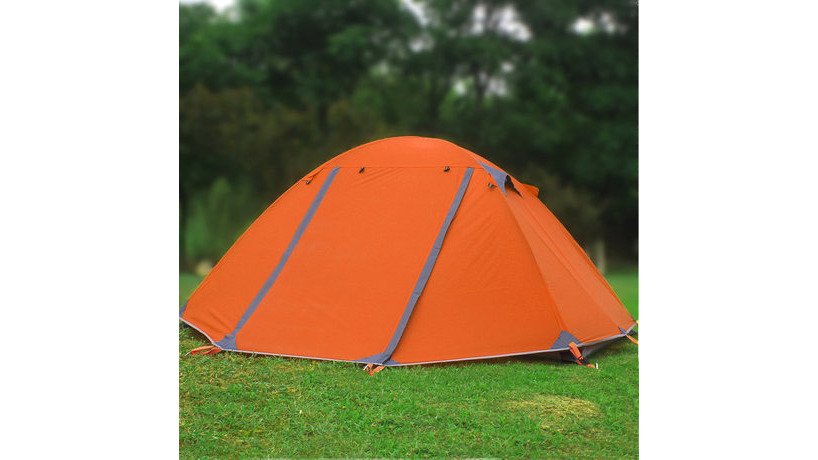
Table of Contents
- What Makes a Tent Heavy-Duty
- Canvas Tent vs. Nylon Tent: Material Comparison
- Heavy-Duty Tent Pros and Cons
- Tent Durability and Lifespan: What You Can Expect
- Durable Camping Tents: Total Cost of Ownership
- Are Heavy-Duty Tents Worth It for Your Use Case
- Conclusion: Making the Investment Decision
- Frequently Asked Questions
Last Updated: October 11, 2026
What Makes a Tent Heavy-Duty
A heavy-duty tent withstands prolonged harsh weather, frequent setup cycles, and extended outdoor living through superior material quality, frame construction, waterproofing, and durability design.
Heavy-duty tents feature reinforced fabrics with higher denier counts, aluminum poles for wind resistance, waterproof coatings rated 2000mm+, sealed seams, and thicker floors. They prioritize longevity over portability for frequent campers, off-grid living, and unpredictable conditions.
Heavy-duty tents prioritize performance under stress with thicker base materials, double-layer construction, and pole systems that handle sustained wind pressure, unlike budget tents that prioritize affordability and weight.
The best heavy-duty tents use 210T polyester with PU coatings, aluminum poles rated for lateral stress, and sealed seams throughout, features that directly translate to longer lifespan and better performance in difficult conditions.
Canvas Tent vs. Nylon Tent: Material Comparison
Canvas tents breathe well and resist UV, improving with age. However, they're heavy, slow to dry, expensive, and require regular maintenance to prevent mildew.
Nylon and polyester tents are lightweight, quick-drying, and low-maintenance. Polyester holds up better under UV than nylon, which is why heavy-duty tents use 210T polyester.
For heavy-duty applications, polyester-based tents with quality PU coatings deliver the best balance: lighter than canvas, more durable than nylon, and low-maintenance. Our Lightweight Camping Tent Double Layer uses 210T polyester with waterproof PU coating for repeated use and harsh weather.

| Material | Weight | Breathability | UV Resistance | Maintenance | Lifespan | Best For |
|---|---|---|---|---|---|---|
| Canvas | Heavy | Excellent | Excellent | High | 10-15 years | Semi-permanent camps, fair-weather use |
| Nylon | Light | Moderate | Moderate | Low | 5-8 years | Budget camping, occasional use |
| Polyester (210T) | Light-moderate | Good | Good | Low | 8-12 years | Heavy-duty use, frequent camping |
Heavy-Duty Tent Pros and Cons
Heavy-duty tents deliver real advantages, but they're not the right choice for every situation. Understanding both the benefits and the hidden trade-offs helps you decide whether the investment makes sense for your needs.
Pros of heavy-duty tents:
Durability under repeated use. Heavy-duty tents with sealed seams and quality polyester are designed for repeated use; budget tents may fail after fewer trips due to fabric degradation, seam separation, and pole stress fractures.
Weather performance. Heavy-duty tents with 3000mm+ hydrostatic head and sealed seams stay dry in moderate to heavy rain, reliable waterproofing, not a gamble.
Interior comfort. Double-layer construction reduces condensation by allowing air circulation between the inner mesh and outer shell, preventing drips on sleeping bags during cool mornings.
Faster setup. Quality aluminum poles are designed for efficient setup; budget fiberglass poles may require more time and adjustment.
Repairability. Torn seams and holes can be patched with a repair kit, extending life. Budget tents may not be worth repairing.
Resale value. Used heavy-duty tents may retain some resale value; budget tents may have limited resale value.
Cons of heavy-duty tents:
Weight and bulk. Heavy-duty two-person tents may weigh more than budget tents, a consideration for backpacking.
Higher upfront cost. Heavy-duty tents cost $80-$150 versus $30-$50 for basic tents, a significant barrier for testing camping interest.
Slower drying time. Heavy-duty tents may take longer to dry than budget tents, a concern when breaking camp in wet conditions.
Ventilation trade-offs. The outer shell that blocks weather reduces airflow, causing stuffiness in warm, humid conditions. Budget tents breathe better but offer less weather protection.
Setup space requirements. Heavy-duty tents may require more storage and ground area than budget tents, a consideration for van life.
Maintenance complexity. Heavy-duty tents require minimal care: silicone lubricant for zippers ($5), replacement poles ($20-50), or seam re-sealing ($10-15).
Tent Durability and Lifespan: What You Can Expect
Durability determines whether a tent is an investment or expense. Understanding specific performance criteria helps you compare options objectively.
Measurable Performance Indicators
When evaluating a heavy-duty tent, look for these concrete specifications:
Fabric weight (denier). 210D polyester is standard for heavy-duty tents; 150D is lighter but less durable; 300D+ is more puncture-resistant. Higher denier means longer lifespan under abrasion and UV.
Hydrostatic head (HH) rating. 2000mm HH handles moderate rain; 3000mm+ is heavy-duty; 5000mm+ is extreme-weather rated. Sealed seams matter: a 3000mm HH tent with sealed seams outperforms a 5000mm HH tent without them.
Pole material and diameter. Aluminum poles (8mm+) withstand wind stress better than fiberglass and resist bending under load. Aluminum lasts longer with fewer stress fractures.
Seam sealing. Sealed seams are non-negotiable for durability. Heavy-duty tents use factory-sealed seams throughout; budget tents often seal only the floor.
Floor material and rating. Heavy-duty tents use Oxford cloth with PU coating rated 2000-3000mm HH, resisting punctures from rocks and foot traffic. Budget tents use thinner materials (1000-1500mm HH) that tear easily.
Double-layer Aluminum Pole Waterproof Tent →
Expected Lifespan by Construction Quality (assuming 6-12 trips/year, proper storage):
- Heavy-duty polyester (210D+, 3000mm+ HH, sealed seams, aluminum poles): 8-12 years, 400-600+ trips.
- Mid-range polyester (150-210D, 2000-3000mm HH, sealed seams, aluminum poles): 5-8 years.
- Budget nylon (100-150D, 1000-2000mm HH, partial sealing, fiberglass poles): 2-4 years.
What Accelerates Degradation
Storage and use patterns matter as much as construction. UV damage is cumulative; tents stored in garages last longer than those outside or in damp basements. Mildew weakens fibers. Repeated pole stress from high winds without proper anchoring causes micro-fractures. Foot traffic and zipper use wear components faster than main fabric.
Pro Tip
Store your tent completely dry and out of direct sunlight. If you camp in wet conditions, allow the tent to dry fully before packing it away. A tent stored in a cool, dry location may last longer than one exposed to temperature swings and humidity.
Repair and Lifespan Extension
Heavy-duty tents are repairable, which extends their effective lifespan. A torn seam can be re-sealed with seam sealer. A small puncture in the fabric can be patched with a repair kit. A bent aluminum pole can sometimes be straightened; a cracked fiberglass pole must be replaced. These repairs are economical for a quality tent.

A heavy-duty tent that receives one or two repairs during its lifespan can offer extended use, making the per-year cost economical compared to replacing budget tents.
Durable Camping Tents: Total Cost of Ownership
The real question isn't the price tag, it's how much you spend per year of use. Total cost of ownership reveals whether heavy-duty tents are worth it.
A budget tent may have a lower upfront cost but a shorter lifespan. A heavy-duty tent, while a higher initial investment, is designed for longevity. The heavy-duty tent can be a more economical choice over time if you camp regularly.
Consider replacement frequency. If you frequently replace budget tents, the long-term cost can add up. A single heavy-duty tent can offer extended use, potentially avoiding the hassle of frequent replacements. Repair costs also matter: a seam repair can extend a heavy-duty tent's life, while budget tents may not be worth repairing.
Roam Ready Outdoor's Outdoor Double Layer Aluminum Pole Tent costs $113.78 and is engineered for durability with regular camping. The Double Deck Family Outdoor Camping Travel Tent is $88.44 and handles 4-person capacity with durable polyester and sealed seams. Compare that to replacing a $50 tent every two years, and the heavy-duty option becomes the economical choice for anyone camping more than six times per year.

Additional factors: a heavy-duty tent maintains resale value if you eventually upgrade. A used heavy-duty tent in good condition may retain some resale value. Budget tents may have limited resale value. Over time, the effective cost of a heavy-duty tent can be more economical when considering its longevity and potential residual value.
Weather damage also shifts the equation. A failed budget tent during a camping trip could lead to inconvenience. A reliable heavy-duty tent can reduce such risks, offering value beyond the price tag.
Are Heavy-Duty Tents Worth It for Your Use Case
The answer depends on three factors: how often you camp, what weather you face, and whether durability matters more than weight.
Heavy-duty tents are worth it if:
You camp frequently. Regular use can justify the upfront cost through potential long-term savings and fewer replacements. You camp in unpredictable weather or harsh conditions, mountains, coastal areas, or seasons with wind and rain. You value peace of mind: a reliable tent eliminates the stress of wondering if it will hold up during a storm. You're setting up semi-permanently or using the tent for extended stays. You have pets or plan off-grid trips where a failed tent creates real problems. You want to avoid the frustration of replacing gear mid-adventure.
Budget tents are better if:
You camp once or twice per year in fair weather. A budget tent handles occasional use fine, and the savings outweigh durability concerns. You prioritize weight above all else, backpacking long distances where every kilogram matters.
The Lightweight Camping Tent Double Layer at $86.49 offers quality polyester construction and sealed seams, delivering durability. It's ideal for someone who wants reliability without premium cost.
Best For
Millennials and urban athletes transitioning from city life to weekend camping. The Lightweight Camping Tent offers enough durability for frequent weekend trips without the weight or cost of full heavy-duty models.
Conclusion: Making the Investment Decision
Whether heavy-duty tents worth it depends on regular camping frequency and reliability needs. The math is straightforward: frequent use makes durability economical, and harsh conditions make reliability essential. A heavy-duty tent isn't an expense, it's an investment that pays for itself through lower per-trip costs and fewer replacements.
If you camp casually or in predictable fair weather, a budget tent is fine. But if you're serious about outdoor adventures, a quality heavy-duty tent is the foundation of every trip.
At Roam Ready Outdoor, we've built our tent selection around durability and performance. Our Outdoor Double Layer Aluminum Pole Tent ($113.78) uses aluminum poles and sealed seams to handle extended use and weather stress. For a more accessible option, the Lightweight Camping Tent Double Layer ($86.49) delivers heavy-duty durability at a mid-range price point. Both are engineered to last years, not seasons.
Start by assessing your actual camping frequency and the conditions you'll face. Then choose a tent built for that reality. A heavy-duty tent that matches your needs becomes the most reliable gear in your collection, and that confidence is worth the investment.
REI's guide to tent durability and weather resistance
American Camping Association resources on tent selection and maintenance
Consumer Reports testing methodology for outdoor gear durability
Frequently Asked Questions
Are heavy-duty tents worth the extra cost compared to budget tents?
Heavy-duty tents are a higher initial investment but are designed for extended use compared to budget models. For frequent campers, heavy-duty tents can offer long-term value. For occasional campers, a less robust tent may be sufficient.
How long do heavy-duty camping tents actually last?
Quality heavy-duty tents are designed for extended use with proper care, while budget tents may have a shorter lifespan. Durability depends on fabric quality, pole material (aluminum is generally more durable than fiberglass), and maintenance. Regular cleaning, dry storage, and minor repairs can extend lifespan.
What are the main differences between canvas and nylon tents?
Canvas tents breathe better, reducing condensation and interior moisture, making them ideal for extended stays. Nylon and polyester tents are lighter, pack smaller, and resist UV damage better. Canvas requires more maintenance and costs more upfront; nylon suits backpacking and car camping. Heavy-duty nylon tents can offer strong performance for many conditions.
Should I buy a heavy-duty tent if I only camp a few times per year?
If you camp occasionally, a less robust tent may meet your needs without overspending. Heavy-duty tents are designed for frequent use and weather exposure. Consider your camping style and frequency when choosing your gear.

